REVIEW · REYKJAVIK
From Reykjavik: Reykjanes Geopark Tour & Airport Transfer
Book on GetYourGuide →Operated by Gateway to Iceland (GTIce) · Bookable on GetYourGuide
Geothermal Iceland, crammed into seven hours. This Reykjanes Geopark tour links steaming hot springs, sulphur mud, and fresh lava with tectonic-plate views from the Bridge Between the Continents.
I love the walk at Krysuvík (Seltún), where the ground bubbles in bright sulphur colors, and I like how the stops build toward the big moment of crossing Bridge Between the Continents.
One consideration: the route can change due to volcanic activity or road closures, so you may lose time—or miss a coastal stop—if access gets restricted.
In This Review
- Key moments that make this tour worth it
- Why Reykjanes Geopark feels different from other Iceland tours
- Pickup, pace, and how the “half-day” really plays out
- Kleifarvatn Lake and Grænavatn: where the day starts calm and strange
- Krysuvík (Seltún) hot springs walk: color you can’t fake
- Gunnuhver mud pools: steam, sulphur, and a story with attitude
- Grindavík lava fields and the ghost of what used to be there
- Reykjanesviti lighthouse and bird cliffs: coastline views worth slowing down for
- Bridge Between the Continents: a quick walk with big tectonic meaning
- Price and value: is $159 fair for this route?
- What to wear and how to survive Reykjanes weather
- Should you book this Reykjanes Geopark tour?
- FAQ
- How long is the Reykjanes Geopark tour from Reykjavik?
- What size is the small group?
- Where is pickup in Reykjavik and when does it happen?
- What stops are included on the tour?
- Are meals or drinks included?
- Does the tour include the Blue Lagoon?
Key moments that make this tour worth it
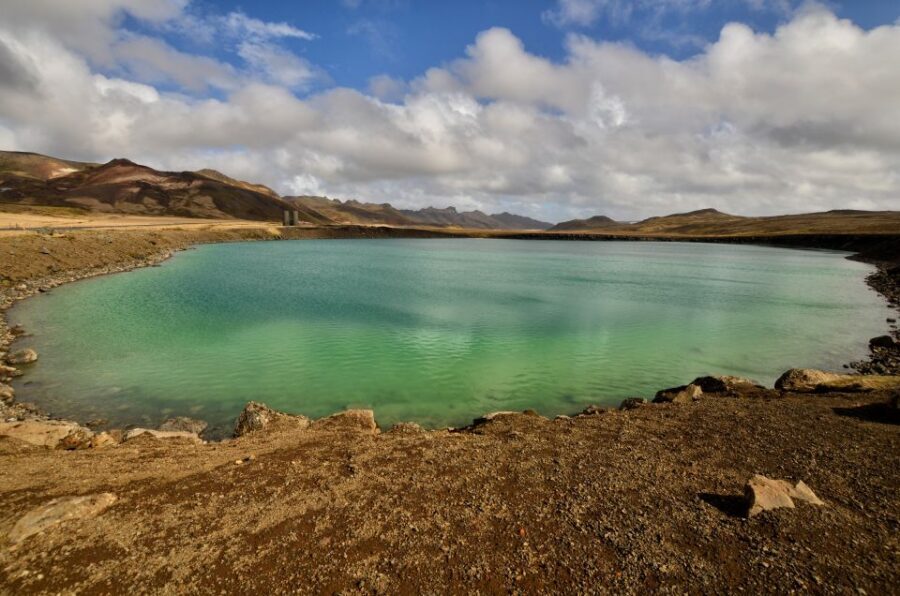
- Kleifarvatn and Grænavatn: fissure-fed lake water plus a crater lake with striking teal tones
- Krysuvik Seltun: an on-foot hot-spring walk through multicolored ground
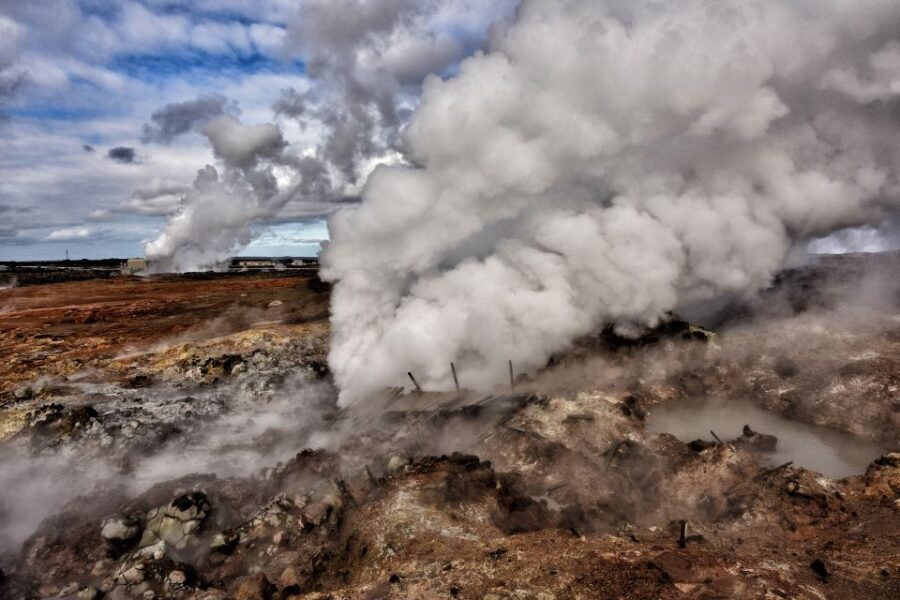
- Gunnuhver mud pools: steam, sulphur, and a local ghost-style story told during the pause
- Grindavík lava: freshly solidified volcanic rock from the last eruption zone
- Reykjanesviti lighthouse and bird cliffs: classic coastline views at Iceland’s oldest lighthouse
- Bridge Between the Continents: a quick, symbolic crossing over Iceland’s tectonic plates
Why Reykjanes Geopark feels different from other Iceland tours
Most Iceland day tours hit the usual waterfalls-and-views rhythm. This one has a different engine: geology you can walk through. You’re not just looking at Iceland’s forces from a distance. You see geothermal heat working at ground level, you smell sulphur at the mud pools, and you watch fresh lava turn into scenery.
The other reason I like this route is its logic. It moves from quiet lakes to hot spring color, then to steam-and-sulphur texture, and finally to volcanic rock and dramatic coastline. Even if you don’t have a geology background, you start to feel how Iceland is still being built.
Finally, the small-group setup helps. You’re in a climate-controlled minibus with only 5–17 people, so you’re not stuck behind a crowd during short walking moments. That matters on this kind of tour, because the best parts are the ones where you’re standing right where the action is happening.
A few more Reykjavik tours and experiences worth a look
Pickup, pace, and how the “half-day” really plays out
This is scheduled as a half-day tour with about 7 hours on the clock, with pickup typically between 9:00 and 9:30 AM. Your return to Reykjavik is usually around 4 PM, depending on road conditions and timing between stops.
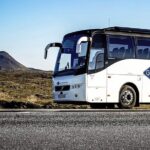
Pickup works in a practical, multi-option way: you’ll either be collected at your hotel (if it’s on the pickup list), at one of the designated central bus stops, or at the cruise terminal. Bring a little patience—your actual pickup time depends on where you land in the pickup order and traffic. The tour notes that the minibus is labeled Gateway to Iceland, so double-check that before you climb in.
There’s also a short break built in for coffee and a chance to stretch. It’s one of those “don’t skip this” moments because the tour itself doesn’t include food and drinks.
Pace-wise, you’ll spend real time at the major stops—especially the on-foot sections—without feeling like the day is only a slideshow. It’s still a lot of locations in one go, so expect to be outside some of the time even when the weather is moody. Good layers beat optimism.
Kleifarvatn Lake and Grænavatn: where the day starts calm and strange
The tour kicks off at Kleifarvatn, a lake sitting on top of a fissure zone and fed entirely by underground springs. That’s a key idea for your first stop: this water isn’t arriving from rainfall or rivers. It’s part of the geothermal plumbing underneath the peninsula.
You’ll get a sightseeing moment here, which is enough time to take in the stillness and then move on before the rest of the day heats up. If you’re the type who enjoys “set the scene” stops, this one does that well.
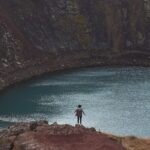
Next comes Grænavatn, a small crater lake known for its teal-colored water. The contrast with Kleifarvatn is part of the fun: the tour keeps shifting the mood. One place feels like a quiet surface with a hidden engine; the next feels like color first, questions second.
These stops are also helpful because they pace you. By the time you reach the hot springs walk, you’re ready for the sensory overload—steam, heat, and the sulphur smell that Iceland does better than anywhere else.
Krysuvík (Seltún) hot springs walk: color you can’t fake
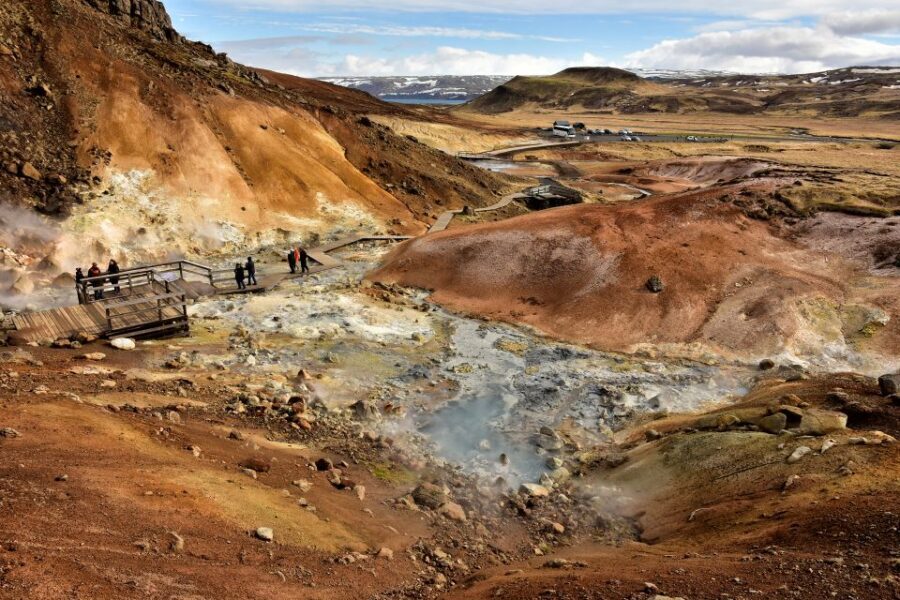
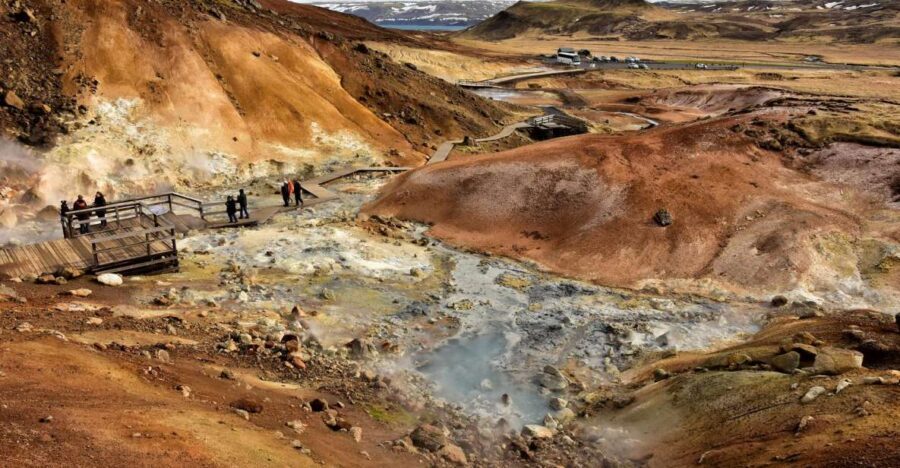
If you only remember one walking stop, make it Krysuvík Seltún. The tour takes you between colorful hot springs, with bubbling and multicolored ground that looks like it belongs on Mars—except it’s real and steaming.
This is where you’ll want good footwear. The surfaces here are geothermal and uneven, so sturdy shoes help you feel steady. The walking route is short enough to stay manageable, but long enough to give you time to find angles for photos and just watch the action.
What I like about Seltún is that it’s not just “look at steam.” It’s visual chemistry. Different mineral deposits show up as bands and patches of color, and the heat makes everything feel alive. A well-timed guide can add context while you’re there—people often mention guides like Trond and Starri for turning these scenes into stories, not just facts.
A practical drawback: this stop is outdoor, so if it’s raining sideways, you’ll feel it. Bring rain gear and keep your expectations flexible. Even in bad weather, the geothermal color and steam textures still read clearly.
Gunnuhver mud pools: steam, sulphur, and a story with attitude
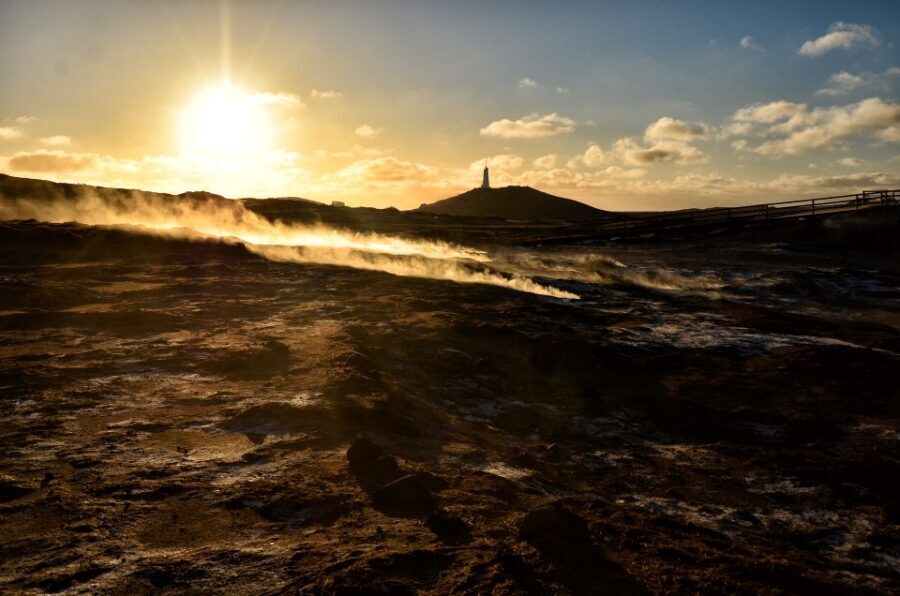
Next is Gunnuhver, famous for steaming mud pools. This stop is all about texture: steam vents, sulphur tones, and hot, active ground that gives off that unmistakable geothermal smell.
The tour includes a storytelling moment here—something close to a local ghost-style tale. It’s not just entertainment. The best part of geothermal stories is how they connect people to the land that can change without warning. Iceland is built on movement, and Gunnuhver is a reminder in real time.
You’ll get a relatively short sightseeing window here, but it’s the kind of place where even a little time adds up because you’re watching how the steam shifts and where the heat concentrates. If you’re hoping to stand back and just absorb, do it. This is one of those stops where stopping your brain from over-planning can make the place feel bigger.
One more thing: because it’s sulphur and steam, this is not the moment for delicate breathing. If you’re sensitive to smells, you might want to use a scarf or keep your breathing steady. The tour can’t control the air, but your comfort choices matter.
A few more Reykjavik tours and experiences worth a look





Grindavík lava fields and the ghost of what used to be there
After the geothermal heat, the tour shifts into something more dramatic: newly solidified lava fields near Grindavík. The tour describes them as fresh enough to reflect the last volcanic eruption in the area, with a sense of an abandoned city that was once a thriving community.
This stop hits differently than the hot springs because you’re looking at a landscape that has had to reset. Hot springs are active and alive; lava fields are the result of a rupture and a new beginning. You get to see how quickly nature can redraw the map.
The tour also notes that volcanic activity can affect roads and access, so conditions might limit what you can reach. That’s worth taking seriously if you’re planning around a strict flight time. Still, even when access is altered, this kind of stop tends to be the one that makes your day feel real.
If you like photography, come ready to shoot slow. The lava has forms and cracks that don’t look impressive at first glance, but once your eyes adjust, details pop—especially with low light and cloud breaks.
Reykjanesviti lighthouse and bird cliffs: coastline views worth slowing down for
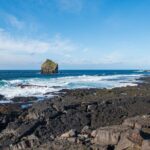
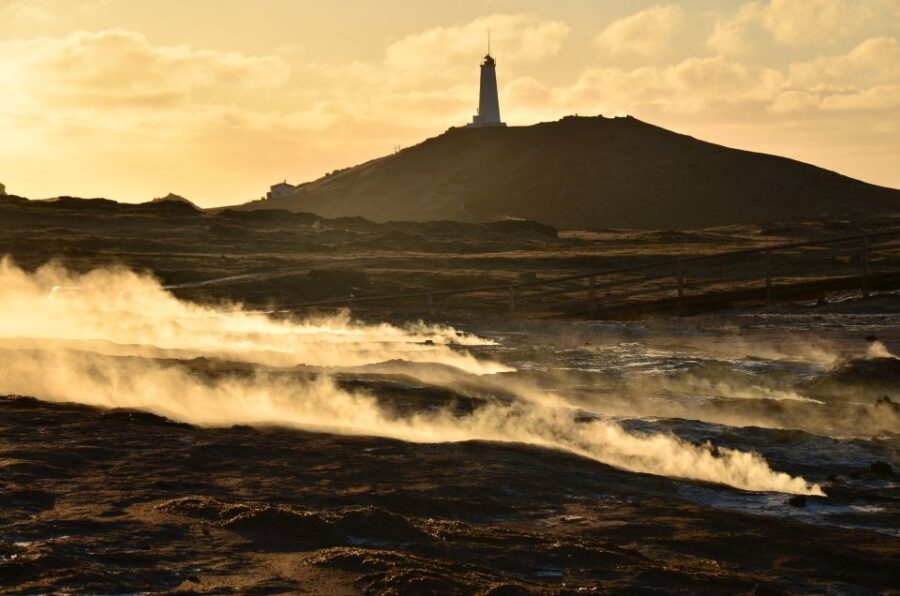
From the lava zone, you’ll head to the coast for Reykjanesviti lighthouse. The tour highlights it as Iceland’s oldest lighthouse, and you’ll also get time for views from the bird cliffs along the stretch.
This is a good balance after all the “heat ground” stops. The air usually feels cleaner here, and your eyes get to rest on horizon lines. Even if the weather turns, the lighthouse silhouette is the kind of thing that keeps working as a photo subject.
This stop also helps you understand the Reykjanes Peninsula as more than geothermal sites. It’s ocean pressure and wind and cliff edges—another force shaping what survives and what doesn’t.
If you’re wearing waterproof layers, you’ll be grateful here. Coastal weather can change quickly, and you want to stand still long enough to take it in.
Bridge Between the Continents: a quick walk with big tectonic meaning
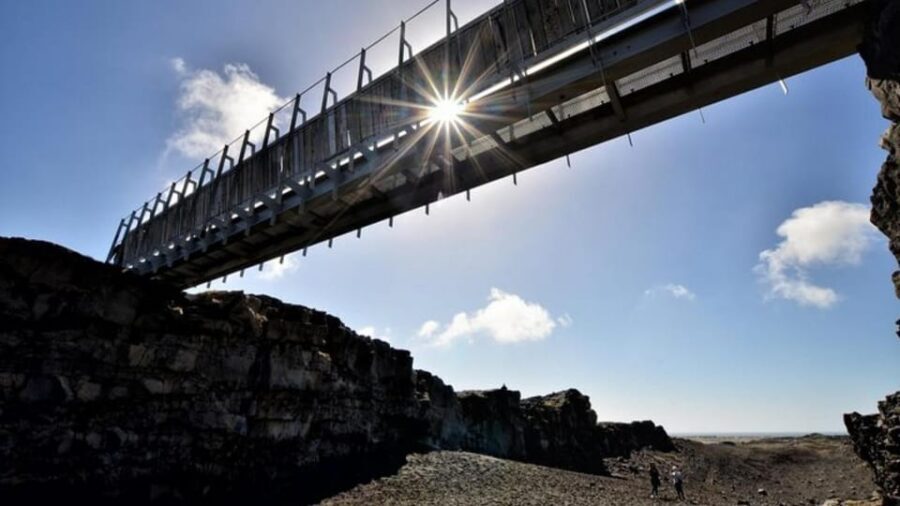
The symbolic highlight is the Bridge Between the Continents, spanning Iceland’s two tectonic plates. The tour doesn’t leave you stranded there for ages, but it does give enough time to cross, look around, and get your “I was actually there” moment.
The bridge’s power is simple: it makes the tectonic story physical. Iceland sits on a boundary where plates spread, and that movement is the engine behind what you’ve been seeing all day—heat, fissures, eruptions, and the constant reshaping of the ground.
When you cross, you’ll likely understand the day in a new order. Lakes and steam vents stop being random stops and start being evidence. Even if you’re not into science, the experience lands because it’s direct: walk across the boundary.
The one caution: if the route changes due to volcanic activity, this stop might be affected. That’s not a deal-breaker, but it’s one reason to keep your mindset flexible.
Price and value: is $159 fair for this route?
At $159 per person for a roughly 7-hour small-group tour, the price isn’t the cheapest option. But it also isn’t just paying for a ride and a few photo stops.
Here’s what you’re buying:
- Hotel pickup and drop-off in Reykjavik (or designated bus stops)
- a professional local driver/guide
- a small-group format (5–17 people)
- multiple major Reykjanes Peninsula geothermal and coastal sites packed into one day
What you’re not buying:
- food and drinks
- admission to the Blue Lagoon (if you choose to go later)
To judge value, ask yourself what you’d do instead. If you rent a car, you’re paying for gas, parking, time spent finding your way, and the risk of roads being blocked. If you book a large-group bus, you usually lose the walking time to crowd flow. This tour hits a middle path: it’s guided and efficient, but still gives you meaningful moments on foot.
There’s also the timing advantage for late-flight days. The tour notes optional drop-off at Keflavík International Airport as well as the Blue Lagoon area, and you typically return to Reykjavik around 4 PM. That can save you from re-planning a full additional transfer day.
What to wear and how to survive Reykjanes weather
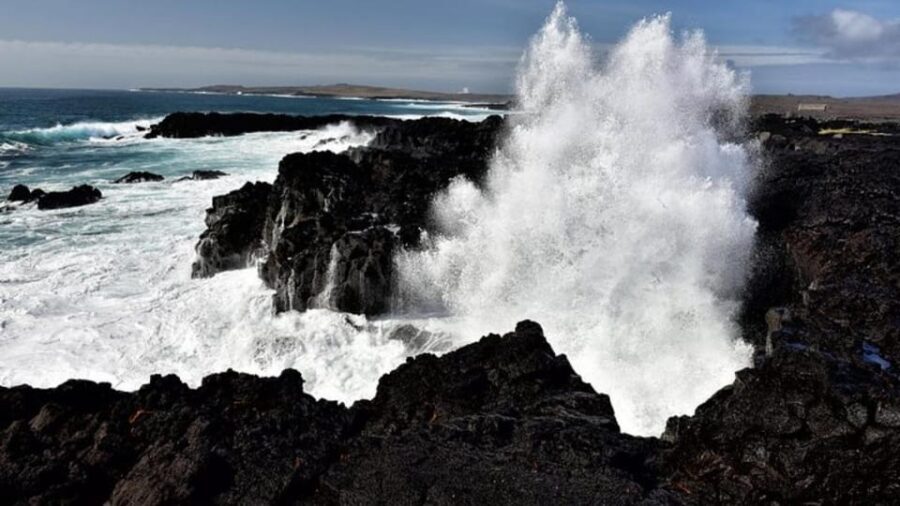
Even in good weather, Reykjanes Peninsula is a place where wind and rain can show up fast. The tour’s advice is basic for a reason: rain gear and outdoor clothing are your best bet.
My practical checklist:
- Wear sturdy, outdoor footwear. You’ll walk around geothermal ground and along uneven terrain.
- Use layers. Reykjavik can start cool, then coastal wind can make it feel colder.
- Bring a rain jacket even if the morning looks fine.
- Keep a phone ready during pickup time. The tour notes that a call may be used during the pickup window.
Also note: the tour mentions Icelandic law requiring booster seats for children, so if you’re traveling with kids, plan accordingly.
If you’re the type who hates being cold and wet, this is still doable—you just need to gear up. The payoff is worth it.
Should you book this Reykjanes Geopark tour?
Book it if you want a structured half-day that covers the Reykjanes story in order: fissure-fed lakes, hot-spring color at Seltún, sulphur steam at Gunnuhver, fresh lava near Grindavík, coastal views by Reykjanesviti lighthouse, and the tectonic-plate crossing at the Bridge Between the Continents.
Skip it (or at least adjust expectations) if you hate moving on a tight schedule, or if you’re only excited by one kind of Iceland scenery. This is a geology-and-coast day. It’s not built around long meals or slow sightseeing.
The biggest “make-or-break” factor is also the most honest one: route changes are possible due to volcanic activity. If you absolutely must see every single stop, this tour may not be the best match. But if you’re okay with the idea that Iceland can change plans—and you still want the best shot at seeing the peninsula’s geothermal highlights—this is a strong value play.
In short: this tour is for people who like seeing forces at work, not just postcards. And if a guide like Gummi, Jakob, Ian, Starri, Rakel, or Trond is on your run, you’ll likely get the kind of storytelling that makes the science stick.
FAQ
How long is the Reykjanes Geopark tour from Reykjavik?
The duration is listed as 7 hours.
What size is the small group?
The tour is a small-group experience with between 5 and 17 people.
Where is pickup in Reykjavik and when does it happen?
Pickup is available from hotels and/or designated bus stops, and you should be ready outside your pickup location by 9:00 AM. Actual pickup time is typically between 9:00 and 9:30 AM depending on the pickup list order and traffic.
What stops are included on the tour?
The tour includes stops such as Krysuvík Seltún (hot springs), Gunnuhver (mud pools), Reykjanesviti lighthouse, the Bridge Between the Continents, and sights near Grindavík for freshly solidified lava. It also includes sightseeing at Kleifarvatn and Grænavatn.
Are meals or drinks included?
No. Food and drinks are not included.
Does the tour include the Blue Lagoon?
The tour can include an optional pass-by and drop-off associated with the Blue Lagoon area, but Blue Lagoon admission is not included.