REVIEW · ISAFJORDUR
Private wakeboarding or waterskiing trip in Westfjords
Book on Viator →Bookable on Viator
Westfjords wakeboarding sounds like a movie. But it’s practical, too: you get coached, you ride, and the setting does the rest.
I love the private format and the way the guide can focus on your level, not a big group’s pace. I also love that the action happens on a white sand beach by Flateyri, with mountains and the North Atlantic doing the heavy lifting for scenery. One consideration: this is a water sport, so you’ll need to be comfortable in the water and able to swim.
The upside is huge, but it’s still cold, windy, and physical. You’ll want moderate fitness, and if you’ve never done this before, you should go in ready to learn step-by-step.
In This Review
- Key Highlights You’ll Care About
- Why Wakeboarding in the Westfjords Feels Different
- The 9:00 Start in Ísafjörður (and Why the Timing Matters)
- Flateyri Beach: The Setting You’re Riding Under
- Coaching for Beginners and Intermediate Riders
- A simple mental checklist before you go
- Gear, Body Limits, and Why They’re There
- What Your Day Likely Looks Like (From Meeting to Ride Time)
- What to expect during coaching
- Local Stories, Folklore, and Life Near the Arctic Circle
- Summer Bird Life: Oystercatchers, Arctic Terns, Eider Ducks
- Weather Matters More Than You Think
- Private Means Your Progress Isn’t a Group Math Problem
- Price and Value: What $250 Buys You
- Who Should Book This Trip (and Who Might Skip It)
- A Quick, Practical Packing Mindset
- Should You Book Westfjords Wakeboarding or Waterskiing?
- FAQ
- FAQ
- Where do we meet for the tour?
- What time does the experience start?
- How long is the private wakeboarding or waterskiing trip?
- Is this a private tour?
- Do you provide wakeboarding or waterskiing gear?
- Is there a weight or height limit for the gear?
- What happens if the weather is bad?
Key Highlights You’ll Care About
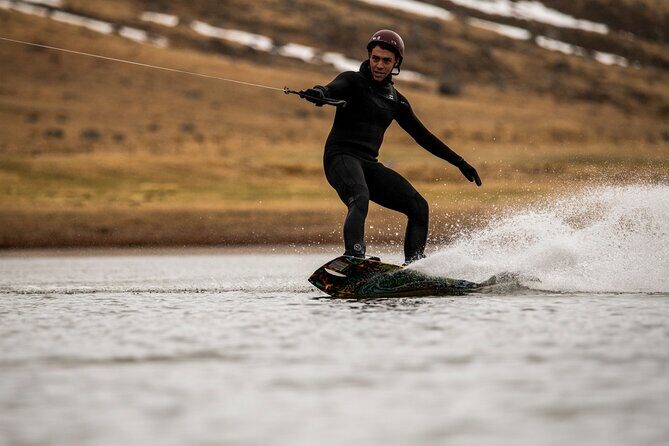
- Private wakeboarding/waterskiing with only your group, so you get real attention
- Flateyri’s beach setting in the Westfjords, with mountains and a fishing-village feel
- Beginner-friendly coaching that helps you get confident fast
- English-speaking guides who also share stories and local life
- Summer birdwatching with oystercatchers, Arctic terns, and eider ducks
- Gear provided with clear limits (100 kg / 195 cm)
Why Wakeboarding in the Westfjords Feels Different
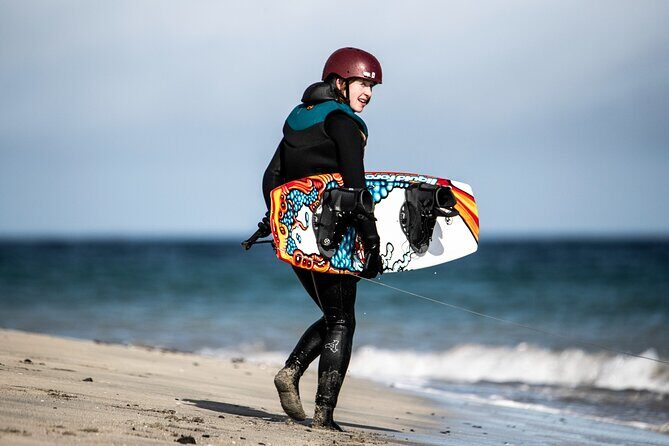
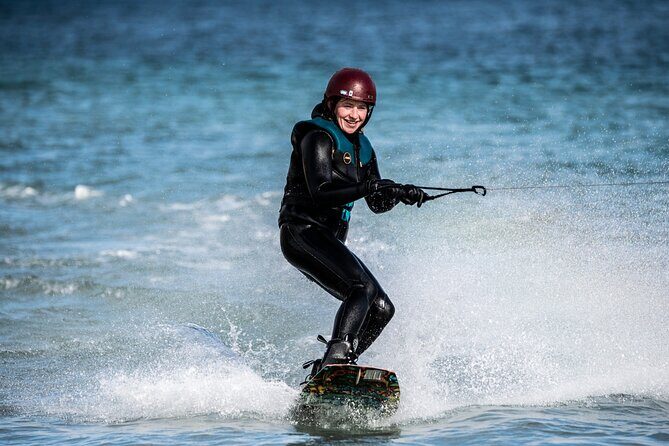
This trip is built for riders who want both sport and place. The sport is wakeboarding or waterskiing, coached with the goal of getting you up and riding. The place is the Westfjords: steep mountains, sea air, and a coastline that looks like it belongs to a different planet.
What makes this setup work for most people is the balance between coaching time and riding time. You’re not just dropped onto a board and told good luck. The guide gives the required information and gear right away, then you drive together to the beach and run through your day from there.
And because it’s in a small fishing village area, the vibe is calmer than what you might expect near bigger water-sport hubs. You’re riding near Flateyri, with the feeling of being close to real local life rather than just visiting a themed venue.
You can also read our reviews of more tours and experiences in Isafjordur.

The 9:00 Start in Ísafjörður (and Why the Timing Matters)
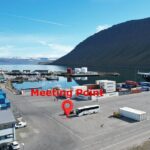
You meet at NettóHafnarstræti 9–13 in Ísafjörður at 9:00 am. It’s near public transportation, which is handy if you’re not traveling by car across the area.
Why this start time matters: a half-day experience works best when you get on the water early enough to actually enjoy the learning curve before fatigue and weather mood changes. You’ll spend your morning on setup and coaching, then the heart of the day is the ride time.
From the meeting point, you drive together to the beach. That “all together” part is a practical benefit—no sorting logistics on your own, and you arrive with your gear already handled.
Flateyri Beach: The Setting You’re Riding Under
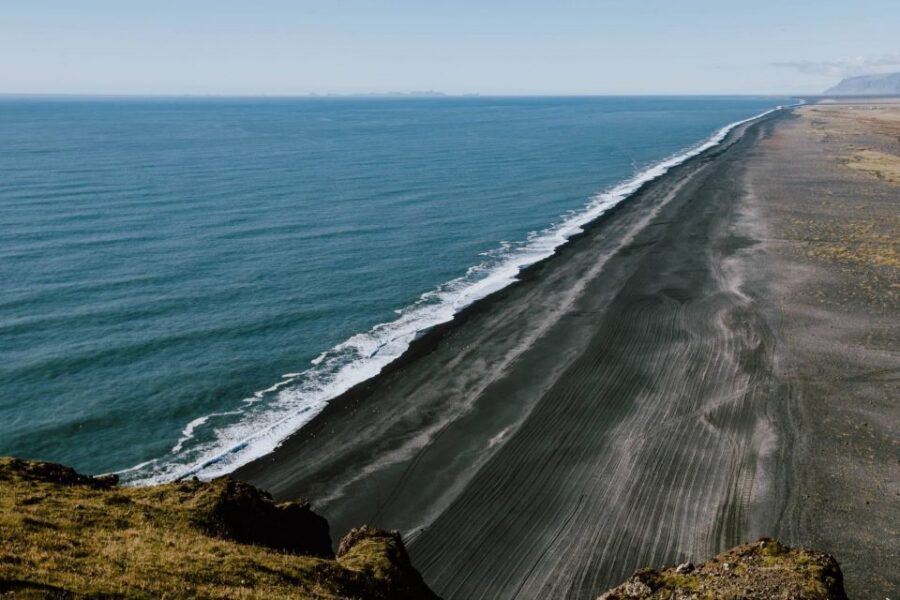
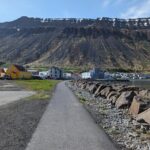
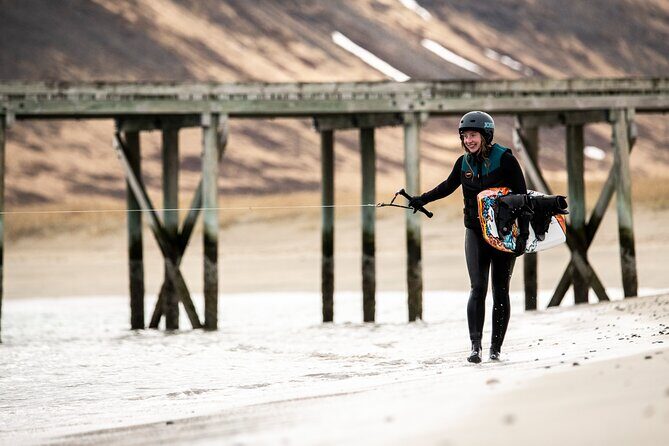
The riding happens on a white sand beach next to the fishing village of Flateyri. That might sound like a scenic detail, but it changes how your session feels.
White sand tends to be easier on the waterline when you’re learning because it’s visually clear and gives you a sense of where you are. It also frames the bay with fewer distractions than a rocky or industrial shoreline might. You can focus on technique and safety without constantly recalculating what the water and bottom look like.
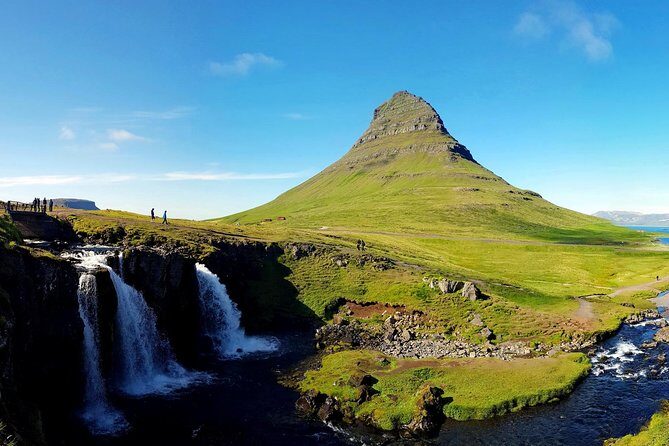
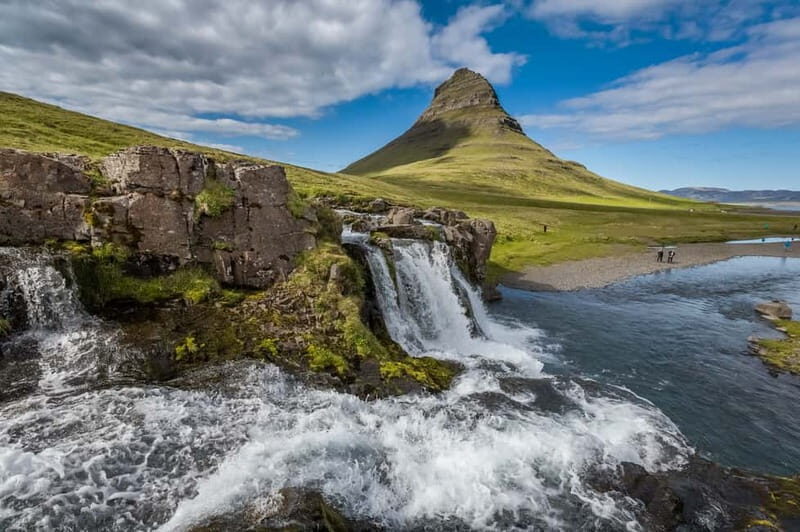
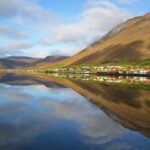
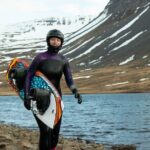
The Westfjords backdrop is the real star: mountains rising from the fjord, and that North Atlantic sense of scale—big water, open horizon, and wind that can switch your experience from fun to chilly fast. Even if you’re not obsessed with views, you’ll feel it while you wait your turn.
Coaching for Beginners and Intermediate Riders
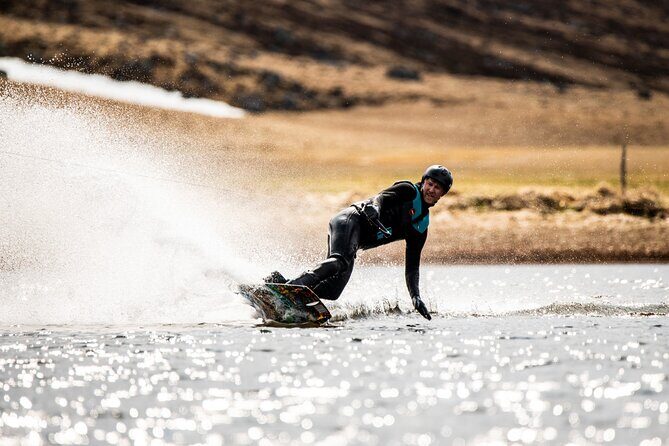
This is a trip designed for beginners and intermediate riders. That matters because wakeboarding and waterskiing are skills that build in layers: stance, balance, edge control, and learning how to use the pull without panicking.
The guide is there to take you through the basics and make you comfortable. In one experience I learned from, the guide Justas made sure the group felt at ease, then focused on the basics in a way that helped everyone move forward. If you’re newer to the sport, that approach is exactly what you want: instruction that doesn’t rush you.
If you already have board-sport experience—wakeboarding, snowboarding, surfing, or skateboarding—it increases your chance of standing up and riding on your first trip. That’s not magic, but it’s transferable muscle memory: balance, stance, and the idea that your body follows the board.
A simple mental checklist before you go
- You can stand up and take instruction without freezing up.
- You’re comfortable falling in the water and getting back to your rhythm.
- You accept that the first session is mostly learning, not domination.
Gear, Body Limits, and Why They’re There
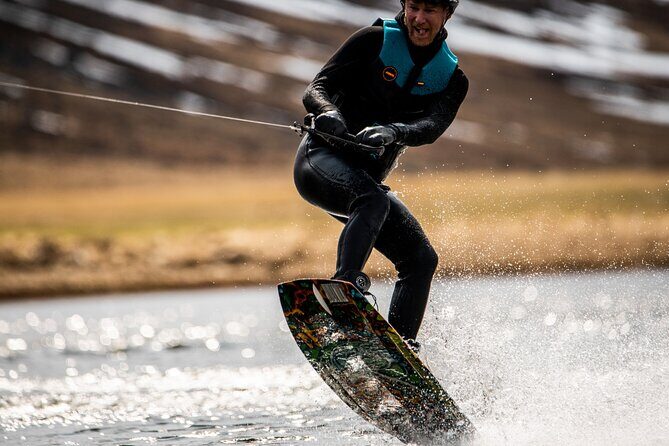
You’ll get the required gear from the guide. That’s a big convenience on a trip where you’re traveling in Iceland and don’t want to hunt down rental equipment last minute.
There’s also clarity on fit and safety: gear is available for someone who is not heavier than 100 kg and not taller than 195 cm. That’s worth checking early so you’re not surprised when you arrive.
One more requirement is non-negotiable: you must know how to swim and be comfortable in the water. Wakeboarding and waterskiing put you in the water repeatedly, even if you ride well. This trip isn’t for someone who’s planning to “try not to worry.” If you’re tense in the water, that tension shows up in your confidence on the board.
What Your Day Likely Looks Like (From Meeting to Ride Time)
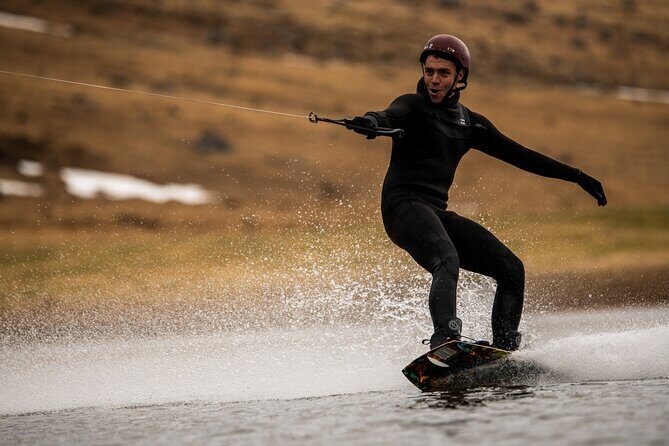
The day has a clear flow:
1) 9:00 am meet-up in Ísafjörður for briefing and gear
2) Drive together to the beach near Flateyri
3) On-site instruction and getting comfortable
4) Riding sessions on the North Atlantic waters
5) Head back to the meeting point when the half-day ends
The schedule details aren’t listed down to the minute, but the structure is consistent: coaching first, then practice riding, then wrap-up. Private tours usually work this way because the guide can adjust to conditions and your progress.
What to expect during coaching
Even for a beginner-friendly trip, you should expect a focus on basics:
- How to handle the pull and stay balanced
- Where your weight goes when you’re trying to stand and keep control
- How to use small movements rather than fighting the board
In the guide style I saw emphasized, Justas spent time making sure people felt comfortable. That’s not just kindness—it’s also practical. When you feel safe, you try the next step sooner, and you learn faster.
Local Stories, Folklore, and Life Near the Arctic Circle
This isn’t only a sport lesson. The guides share stories about history, folklore, and life in a small town close to the Arctic Circle. You’ll also get a conversation vibe—questions are welcomed, not brushed off.
That part matters because it changes the emotional tone of the day. Instead of feeling like you’re just waiting for your turn on the water, you’re learning how people live with fjords, weather, and a coastline that shapes daily life.
It also adds texture to the setting. The Westfjords don’t feel like scenery you pass through—they start to feel like a place with rhythms.
Summer Bird Life: Oystercatchers, Arctic Terns, Eider Ducks
If you’re going in summer, you might spot plenty of sea birds. The trip notes expect oystercatchers, Arctic terns, and eider ducks.
This is one of those details that seems small until you’re actually on the beach and notice how much life is going on around the water. When you’re learning and the wind is affecting you, shifting your attention to birds gives you a mental break without leaving the environment.
It’s also a nice reason to stay present during short waits between riding attempts. Look up and scan the coastline while you listen to the guide’s stories.
Weather Matters More Than You Think
This experience requires good weather. That’s not fine print—it’s core to the value of the trip.
If weather cancels the activity, you’re offered a different date or a full refund. The key point for your decision-making: plan this trip when you have flexibility in your schedule. If you’re only in the area for a single day, you’re taking on more risk.
Also, “good weather” here is about the whole package: water conditions, wind, and safety. Even on a day with decent sky, stronger wind can affect comfort and riding.
Private Means Your Progress Isn’t a Group Math Problem
Because it’s private, your group is the only group in the session. That creates a few real advantages:
- The guide can slow down for someone who’s learning balance
- The guide can push the pace a bit for someone who’s already up and riding
- You’re not stuck watching other people go before you get your turns
For first-timers, this can be the difference between feeling awkward and feeling capable. For intermediate riders, it can be the difference between “half-learning” and actually working on the next step.
And since the guide is English-speaking, you’re not guessing at instruction. You can ask questions and get clear answers while you’re adjusting your technique.
Price and Value: What $250 Buys You
At $250 per person for about 4 hours, the price sits in the “not cheap, but not random” category.
Here’s why it can still feel like value:
- You’re paying for private coaching, not just equipment time
- You’re paying for transport from Ísafjörður to the beach area and guided setup
- You’re paying for a half-day experience that combines sport plus location—Westfjords fjords, not a generic water-sports spot
If you compare this to a larger-group option, the math usually shifts in your favor when you care about instruction quality. If you’ve never done wakeboarding or waterskiing, private time helps you learn faster and waste less of your limited time on trial-and-error.
The main “value risk” is weather. Since the experience needs good conditions, check your schedule flexibility. A great day is worth paying for; a blocked day is annoying unless you can reschedule.
Who Should Book This Trip (and Who Might Skip It)
This trip fits best if you:
- Want a half-day activity with real coaching
- Are a beginner or intermediate rider
- Can swim and are comfortable in the water
- Like the idea of riding in a fjord setting with real local stories
You might want to think twice if you:
- Don’t swim comfortably
- Have trouble with moderate physical effort
- Know you’ll get stressed by repeated water falls and resets
If you have snowboarding, surfing, or skateboarding experience, you’ll likely catch on quicker—though the trip still targets beginners.
A Quick, Practical Packing Mindset
The trip info doesn’t list clothing rules, so I’ll keep this practical and general. Bring what helps you stay warm and dry, because North Atlantic water and wind can be a lot even on a summer day.
Also, arrive ready to move. “Moderate physical fitness” is the cue: this isn’t a gentle stroll. You’ll be standing, adjusting, and resetting repeatedly.
If you’re unsure, treat it like a sport session, not a sightseeing tour. That mindset makes the experience feel better immediately.
Should You Book Westfjords Wakeboarding or Waterskiing?
If you want your Iceland day to feel active and grounded in place, this is a strong pick. The combination of private coaching, a white sand beach near Flateyri, and the guides’ stories about life near the Arctic Circle gives you more than just a ride session. You get skill time plus atmosphere.
Book it if you’re comfortable swimming, you can handle moderate effort, and you’ll have flexibility for weather. Skip it if you’re trying to avoid risk in the water or you’re short on time and can’t reschedule.
FAQ
FAQ
Where do we meet for the tour?
You meet at NettóHafnarstræti 9-13, 400 Ísafjörður, Iceland.
What time does the experience start?
It starts at 9:00 am.
How long is the private wakeboarding or waterskiing trip?
The duration is about 4 hours.
Is this a private tour?
Yes. It’s private, and only your group participates.
Do you provide wakeboarding or waterskiing gear?
Yes. The guide provides the required gear.
Is there a weight or height limit for the gear?
Yes. Gear is available for a person who is not heavier than 100 kg and not taller than 195 cm.
What happens if the weather is bad?
The experience requires good weather. If it’s canceled due to poor weather, you’ll be offered a different date or a full refund.