REVIEW · HOFN
Frozen Wonders : Small Group Ice Cave Tour
Book on Viator →Operated by Ice Cave In Iceland · Bookable on Viator
Ice caves without the cattle lines. The Frozen Wonders small-group trip to the Sapphire ice cave pairs off-road glacier jeeps with time on the ice so you spend more effort looking up at the ice and less effort dodging other groups. And yes, you’ll have helmet and crampons for the walk inside.
The one thing to think about is cost: at $200, this is a premium outing, and winter timing matters because early departures can mean the ice looks less blue until later in the day.
In This Review
- Key Highlights to Know Before You Go
- Sapphire Ice Cave: Why the Small Group Really Changes the Experience
- Getting There by Glacier Jeep: Off-Road Access You’ll Feel Immediately
- Gear Included: Helmet and Crampons, Plus How to Dress for Cold Wind
- Inside the Cave: Photos, Footing, and the Advantage of Going Early
- Your Guide Makes It Different: Troll Tales and Real Local Flavor
- Timing Matters: Choosing the Right Departure for Blue Ice
- Duration and Pace: What 2 to 3 Hours Feels Like on the Glacier
- Price and Value: Is $200 Worth It?
- Who Should Book This Tour (and Who Might Not Love It)
- Should You Book Frozen Wonders to See the Sapphire Ice Cave?
- FAQ
- How long is the Frozen Wonders Small Group Ice Cave Tour?
- Where do I meet, and where does the tour end?
- What group size is this tour?
- Is helmet and crampon gear included?
- Is the tour offered in English?
- What happens if the weather is poor, and can I cancel for a refund?
Key Highlights to Know Before You Go
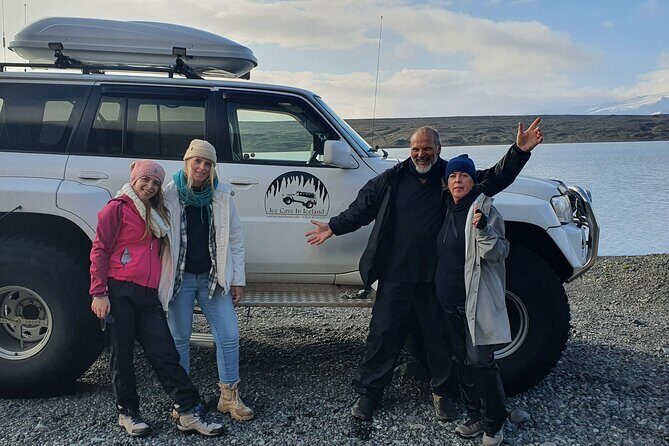
- Up to 6 people means less waiting, easier photos, and more time with your guide
- Super-jeeps designed for glaciers reduce the hike and get you onto the ice quicker
- Helmet and crampons included so you’re not scrambling for safety gear
- Early cave entry helps you avoid the line energy and the crowded-tunnel bottlenecks
- Guide-led stories and local folklore add meaning to the ice, not just sightseeing
- Departure time affects ice color in winter, with later tours often looking more blue
Sapphire Ice Cave: Why the Small Group Really Changes the Experience
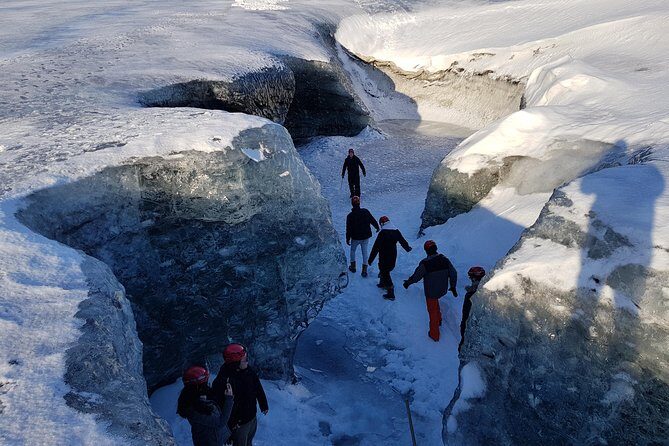
The reason people rave about this tour is simple: the cave visit doesn’t feel like a conveyor belt. With a maximum of 6 travelers, you get more breathing room in tight spots where large groups would normally bunch up, trade space for photos, and slow everyone down.
You’ll also appreciate the way guides handle timing. More than once, travelers mention being among the first in the cave, which changes everything. If you arrive earlier, you’re more likely to see the cave in a quieter rhythm—time to look, time to photograph, and time to actually notice how the ice changes color and texture as you move.
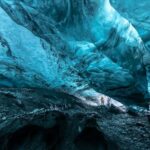
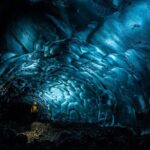
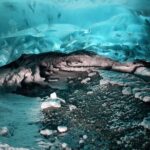
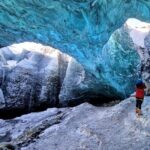
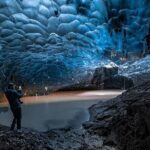
Color matters too. The ice can look dramatic in person, and you may see both darker/black tones and the more famous blue ice. One helpful tip from winter timing: if you go at 0900 in December, the cave may not look fully blue yet, with more blue tones appearing later as the sun rises. If blue ice is your main goal, your departure time is part of the planning.
A small but real bonus: narrow cave sections are easier when you’re not constantly stepping around strangers. Your photos come out better, because you’re not always asking people to squeeze out of the frame.
You can also read our reviews of more tours and experiences in Hofn.
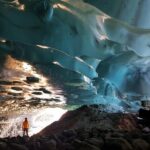
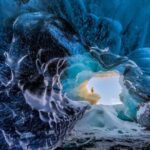
Getting There by Glacier Jeep: Off-Road Access You’ll Feel Immediately
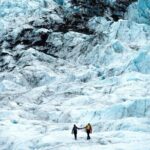
The trip isn’t just about the cave. It starts with travel designed for Iceland’s real conditions: off-road jeeps built for glacier driving. The drive gets you closer to the ice caves without treating you like you’re walking out to the end of a long field trip.
One traveler described roughly a 45-minute off-road ride on an island-style vehicle that could drive directly to the caves. That’s the key point for you: you’re not only saving time—you’re also cutting down the cold, windy walking that can drain energy before you even reach the ice.
Because the jeeps are glacier-ready, they’re built for the rough stuff and the traction you need. That matters even if you’re a seasoned traveler. Your job is to stay warm, listen to the guide, and let the vehicle do what it’s meant to do: get you over glacier terrain safely and efficiently.
You’ll begin at the glacier lagoon area, then head to the ice caves on a short drive. The tour wraps back up at the meeting point, so you’re not stuck piecing together transportation after the cave visit.
Gear Included: Helmet and Crampons, Plus How to Dress for Cold Wind
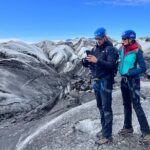
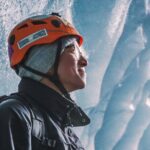
This tour includes the safety basics you don’t want to improvise: a helmet and crampons for the ice walk. That’s a big deal. Crampons help with footing on slippery surfaces, and helmets keep you protected as you move through uneven ice formations.
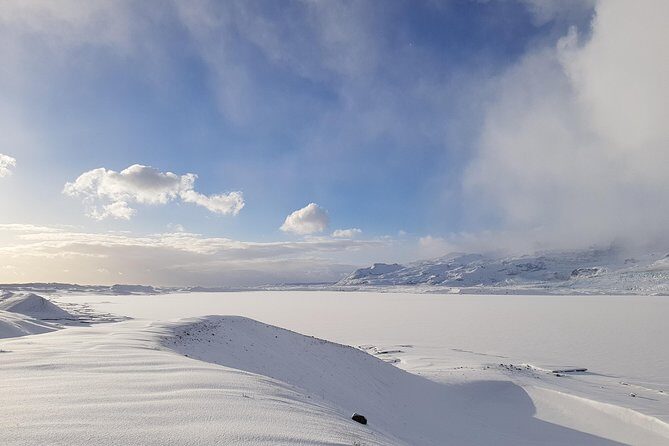
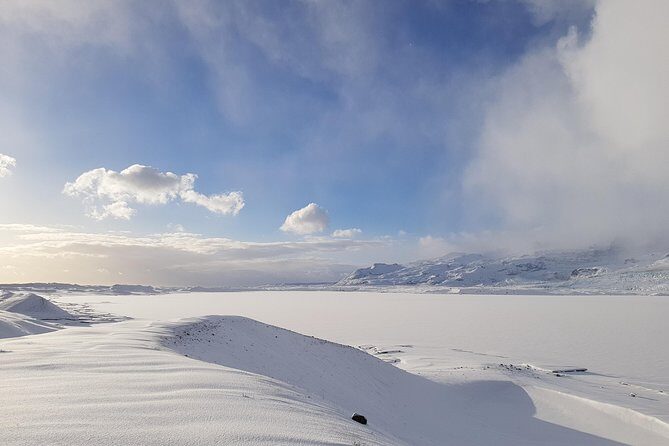
What gear does not replace is clothing. The glacier can be cold and windy, even when the day looks decent at lower elevations. The most common real-world advice is to bundle up properly—especially if you’re the type who tends to travel in layers that are fine in a city but not fine on an exposed glacier.
Plan on:
- Warm layers you can move in
- Wind protection (a hood helps)
- Gloves you can keep on for the whole walk
- Warm socks and supportive winter shoes
- Any photo-gear you bring, secured so you’re not dropping it on slick ice
Because the tour requires moderate physical fitness, you should feel comfortable walking on uneven ground and stepping carefully inside the cave. You don’t need to be an athlete, but you do need to take the footing seriously and follow your guide’s instructions.
If you’re traveling with kids, you can still do this, but keep in mind that this is not a stroll. One family specifically mentioned enjoying the outing, but their kids had the patience to take it slow and stay bundled up.
Inside the Cave: Photos, Footing, and the Advantage of Going Early
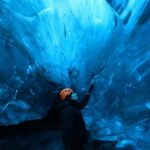
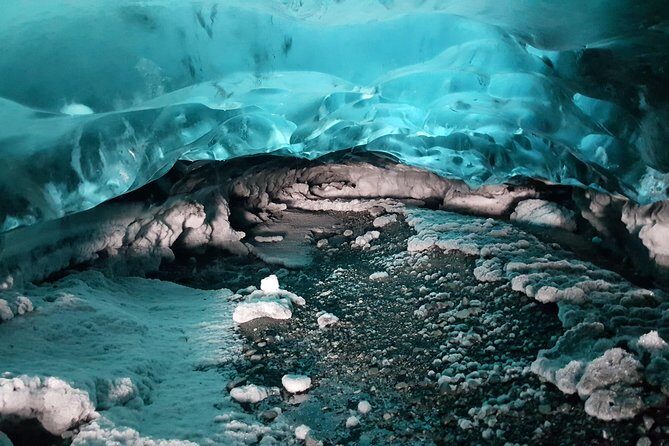
The actual cave time is where everything comes together. You’ll suit up with the provided gear, then head inside to walk among ice walls that look otherworldly at close range.
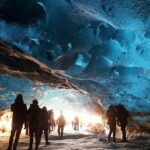
Here’s what makes the small-group approach feel special: cave sections can get narrow, and people naturally slow down when the ice is stunning. With a group of up to 6, there’s less friction. You can pause for photos without turning the experience into a stop-and-go traffic jam.
Going early helps again. Several people mention skipping long lines that other groups faced. Even if you don’t mind crowds, crowded cave tunnels are a headache. You lose photo angles, you lose quiet, and you lose momentum. Early entry keeps the experience calmer and more comfortable, especially in colder months.
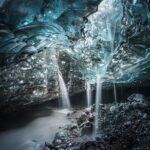
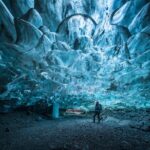
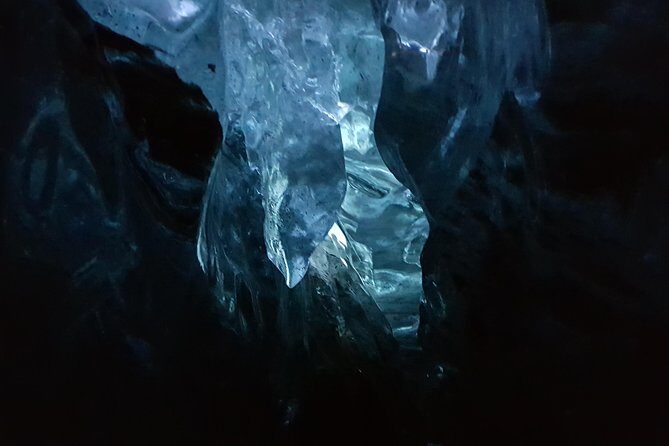
Walking inside an ice cave also changes how you perceive the ice. Up close, the cave isn’t just a color effect. You’ll notice texture—cracks, layers, and the way light bounces off the ice. Guides often point out what to look for, and it’s easier to hear and understand cues when you’re not half-shouting over dozens of people.
And yes: photos look better when you’re not constantly asking others to step aside. One traveler was happy they had fewer people in the way, which meant less scrambling for angles and more time with the camera set up.
Your Guide Makes It Different: Troll Tales and Real Local Flavor
The standout part of many trips isn’t only the ice. It’s the person leading you there.
Guides like Boggi (spelled a few ways in comments) and Vikka come up again and again, and the common thread is storytelling. This tour doesn’t treat glacier history like a lecture. It uses folklore and local details to make the ice feel connected to Iceland, not just impressive on a checklist.
One story that stuck with people involves trolls—specifically a tale of a kissing troll who turned to stone when his wife returned with seafood. Whether you know Icelandic folklore or not, that kind of story gives your brain something to “attach” to the scene. You don’t just stand in front of ice. You stand in front of a place with meaning.
Vikka is mentioned as especially good at managing timing—making sure the group got into the cave early and being patient with photos. That matters because glacier ice doesn’t care about your camera schedule. If your guide is organized, you’ll get a smoother flow and better results.
Boggi also shows up as funny, personable, and focused on getting groups to the cave before crowd build-up. In plain terms: you benefit from someone who thinks about your experience, not just the schedule.
Timing Matters: Choosing the Right Departure for Blue Ice
If you’re hoping for that iconic blue glow, treat timing like a strategy, not an accident.
In December, one traveler noted that the cave wasn’t really blue at the start when they went at 0900, with the blue colors appearing more toward the end as the sun came up. That’s useful information for you. Even in the same cave, light and sun angle can change what you see.
So how should you decide?
- If you can pick your time slot, consider going later in the day for more of that blue look.
- If your priority is avoiding crowds and getting in early, choose the departure that still gets you first, then adjust expectations about the blue effect.
Also, the schedule can be planned to reduce overlap with other groups. One traveler mentioned visiting around lunch time on purpose to avoid other groups, which contributed to a calmer experience and more freedom for photos.
In winter, a “perfect” ice cave is partly weather and partly light. You’re doing the right thing by picking a tour that takes timing seriously.
Duration and Pace: What 2 to 3 Hours Feels Like on the Glacier
On paper, it’s 2 to 3 hours. In real life, that usually means a compact adventure: travel to the glacier lagoon and caves, safety gear, the cave walk, and time to take in the ice properly without feeling like you’re rushed.
You’re dealing with cold conditions, so pace matters. A good guide keeps it moving, but doesn’t force it. The best small-group advantage is that you can move at a comfortable speed. You stop when you need to adjust footing. You pause when the ice is worth it.
You should also plan for outdoor time that isn’t just sitting. Even if the walking is limited compared with longer hike-style cave tours, you’re still on ice. That’s why moderate physical fitness is noted.
If you’re someone who gets cold quickly, bring clothes you can rely on. Don’t count on staying warm with just a light jacket and hope. Glacier wind is not polite.
And because the tour ends where it starts, you avoid the stress of figuring out transport at the end of a physical day. You can plan your next stop with confidence.
Price and Value: Is $200 Worth It?
Let’s talk straight. $200 is not a bargain. It’s a premium price for a reason: you’re paying for a small-group cap of up to 6, specialized glacier transport, safety gear, and guided storytelling with an organized plan to reduce crowd time inside the cave.
Here’s where the value shows:
- Small group: fewer bottlenecks and more personal attention
- Gear included: helmet and crampons, which you’d otherwise need to source
- Off-road access: glacier-ready jeeps reduce the cold and time on foot
- Timing strategy: early entry means you spend more time looking at ice and less time waiting in line
One traveler also suggested that booking directly with Ice Cave In Iceland can avoid extra booking-site fees, sometimes making it cheaper than prices seen on popular travel marketplaces. That tip is worth considering if you’re price-shopping.
Still, if you’re on a tight budget, you might wonder why it costs this much versus busier tours. The difference is what you buy: comfort, time, and the ability to experience the cave without fighting the crowd.
If you care about photos, calm timing, and a guide who explains what you’re seeing, this price starts to make sense fast.
Who Should Book This Tour (and Who Might Not Love It)
This is a strong fit if you want a more human-paced glacier experience.
I think it’s especially good for:
- Couples and small groups who want less waiting
- Families with older kids who can handle cold and careful walking
- People who want real storytelling, not just “look over there”
- Photo-minded travelers who hate losing their frame to a line of elbows
You might reconsider if:
- You’re very budget-sensitive and want the cheapest possible glacier attraction
- You struggle with cold wind and being outside for a while
- You have mobility limits that make careful footing hard (moderate fitness is required)
The tour is designed for you to enjoy the cave without feeling like cattle. If that sounds like your style, you’ll probably love it.
Should You Book Frozen Wonders to See the Sapphire Ice Cave?
I’d book it if your priorities match what this tour does best: small group size, glacier jeeps, included safety gear, and early cave access. The guide quality is part of the value too, with names like Boggi and Vikka mentioned as standout leaders.
I’d think twice if $200 feels too steep. But if you’re going to do one ice cave experience in Iceland and you care about seeing the ice calmly and up close, this is the kind of tour that turns into a real highlight, not just a checkbox.
One last practical tip: if you want more blue ice, try to choose a later departure when the sun angle is better for winter coloring. And dress for wind, not for the temperature in town.
FAQ
How long is the Frozen Wonders Small Group Ice Cave Tour?
It runs about 2 to 3 hours.
Where do I meet, and where does the tour end?
You start at Jökulsárlón781, Iceland, and the activity ends back at the meeting point.
What group size is this tour?
It has a maximum of 6 travelers.
Is helmet and crampon gear included?
Yes. You explore the ice cave with provided helmet and crampons.
Is the tour offered in English?
Yes, it is offered in English.
What happens if the weather is poor, and can I cancel for a refund?
The tour requires good weather. If it’s canceled due to poor weather, you’ll be offered a different date or a full refund. You can cancel up to 24 hours in advance for a full refund, and within 24 hours the amount paid is not refunded.