REVIEW · HVOLSVOLLUR
southern Iceland: Black beach riding tour
Book on GetYourGuide →Operated by FossTravel · Bookable on GetYourGuide
There’s something about riding black beaches in southern Iceland that feels instantly otherworldly, and this tour puts you right in it. I love how you get the real Icelandic-horse experience, including the smooth, footfall-friendly tölt, while the coast rolls past with Westman islands on one side and Eyjafjallajökull on the other. One thing to plan for: you’ll feel the cold ocean breeze, so you’ll want proper layering and waterproof gear even on a clear day.
What makes this outing click is how small it stays. You’re not stuck with a big herd of riders; it runs as a small group, guided closely by a team that’s used to helping different riding levels feel okay in the saddle. Just remember there’s an age minimum of 10, and the ride expects basic riding ability—guides will help, but they’re not turning it into a first-time pony party.
In This Review
- Quick reasons this tour scores high
- Black Sand Coast Riding: What the 2 Hours Really Feel Like
- Getting From Grímsstaðir Farm to the Shore
- How Tölt Feels on an Icelandic Horse
- Scenery Highlights: Westman Islands to Eyjafjallajökull
- What the Guides Actually Do (From Calm Instruction to Horse Safety)
- Weather and Clothing: Your Icelandic Homework
- Price and Value: Is $194 Worth It?
- Who This Tour Fits Best (And Who Should Rethink)
- A Practical Moment-by-Moment Look at Your Ride
- Should You Book This Southern Iceland Black Beach Tour?
- FAQ
- Where is the meeting point for this tour?
- How long is the horseback riding tour?
- How old do you have to be to ride?
- What is the weight limit?
- Is transportation to the farm included?
- What should I bring for the ride?
- What’s included in the price?
- How big are the groups?
Quick reasons this tour scores high
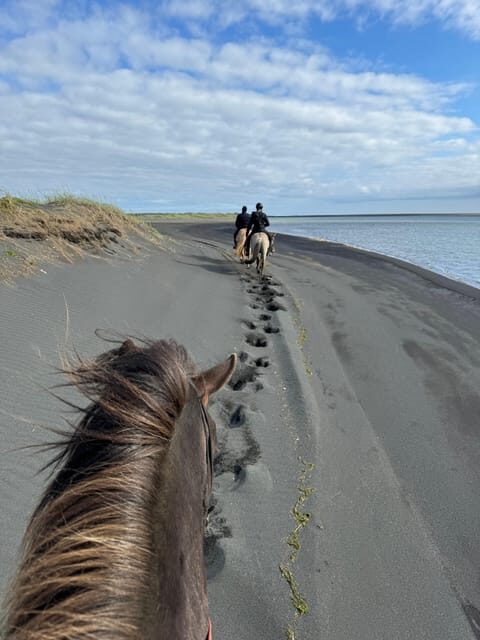
- Tölt on Icelandic horses: the smooth gait is the whole point, and it’s what you’ll feel most.
- Black sand coast scenery: calm waves in front of you, distant volcano views on the horizon.
- Small group handling: capped at five participants, with a maximum group cap of six riders.
- Professional guidance: you’ll ride with trained guides who know Icelandic horses well.
- All the ride basics included: helmet, riding equipment, and rainwear are part of the package.
Black Sand Coast Riding: What the 2 Hours Really Feel Like
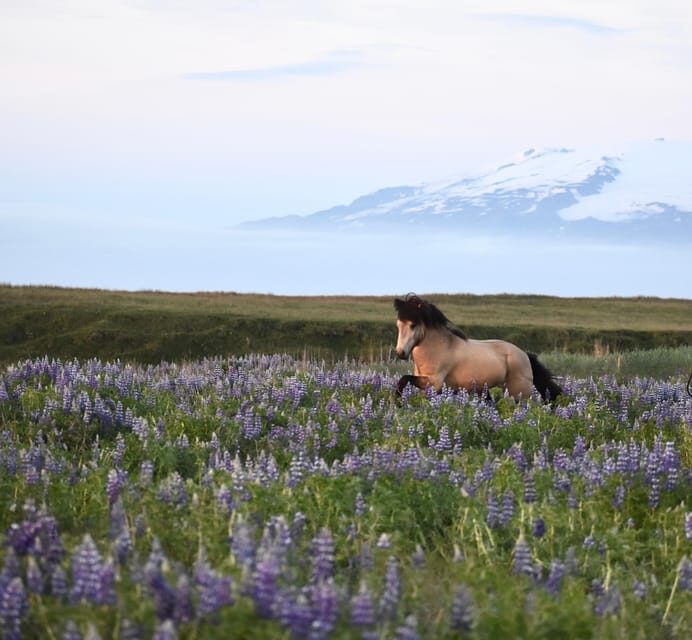
This is a straightforward adventure: saddle up, ride across Iceland’s southern black sand beaches, and spend two hours experiencing the coast at horse speed. No long bus ride included in the ticket price, no complicated route to decode mid-trip. The focus stays where it belongs—on your horse, the terrain, and the views.
I like that the tour is built around a simple rhythm. You arrive, get fitted with equipment and safety gear, then you head out along the shoreline. In Iceland terms, it’s a short window, but it’s long enough to settle into the gait and feel like you’re actually part of the landscape instead of just passing through it.
You’ll also get that classic coastal contrast: the black sand under you and the ocean waves breaking in a steady, low roar. The guides talk you through what to expect, and you follow their lead along the coast as the scenery shifts from one landmark to the next.
You can also read our reviews of more tours and experiences in Hvolsvollur.
Getting From Grímsstaðir Farm to the Shore
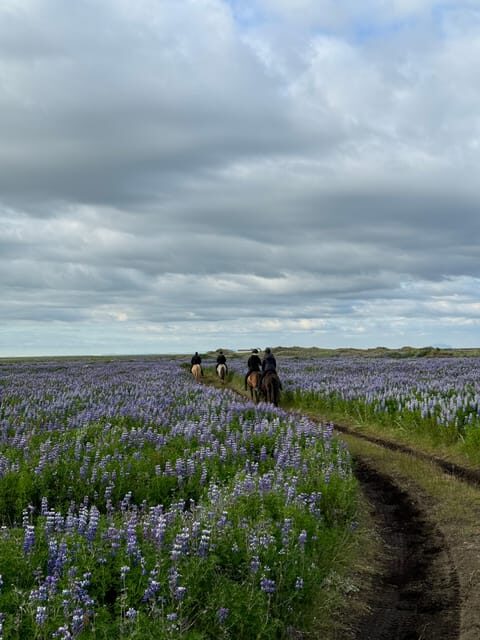
The ride operates from the south coast area, around 1.5 hours from Reykjavík. Your meeting point is at Grímsstaðir, reached via a road route between Hella and Hvolsvöllur.
Here’s the practical way to find it: on the road called Oddavegur, look for the sign on the main road that says Oddi. Turn onto Oddavegur and drive as far as you can straight, then continue where the road becomes gravel. At the end, turn right—Grímstaðir should be on the right side.
You’ll want to plan this part like you would any Iceland drive: leave time for weather and road conditions, and don’t count on perfect GPS directions in remote stretches. Also, since transportation to the farm is not included, you’ll need your own ride or a separate arrangement.
When you arrive, the staff get you ready to ride. You’ll get riding equipment and a safety helmet, and rainwear is included—smart in Iceland, where weather can change its mind quickly.
How Tölt Feels on an Icelandic Horse
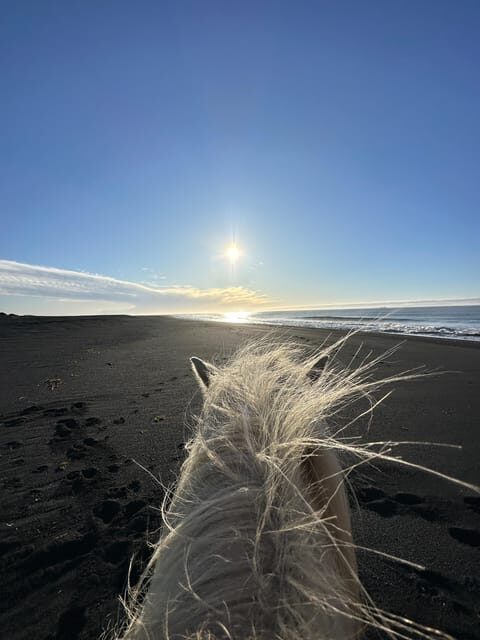
If you’re coming for one thing, this is it: you’re not just walking on sand. The highlights specifically mention getting the feeling of tölt, Iceland’s signature gait, from the back of an Icelandic horse.
So what does that mean for you in real terms? Tölt is known for being a smooth, steady motion. That matters because black sand can feel different underfoot than a groomed arena. When your horse moves with a rhythm you can predict, you can relax into the ride instead of gripping too hard.
Guides handle the teach-and-adjust part. The tour notes that basic riding experiences are necessary, but they also say guides will make you comfortable step by step and the ride is suitable for both beginners and experienced riders. Translation: it’s not a total beginner free-for-all, but you’re not expected to be an expert either.
If you’ve ridden before, you’ll probably enjoy how natural it feels once you sync with your horse. If you haven’t, your best move is to listen closely during the initial instruction and keep your focus on the horse’s cues rather than trying to force anything yourself.
Scenery Highlights: Westman Islands to Eyjafjallajökull
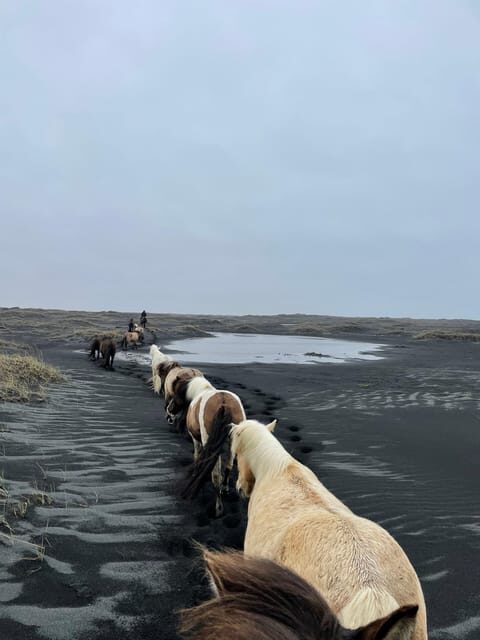
You ride along Iceland’s southern black beaches, where the ocean breeze comes in cold and salty. The tour description promises a strong sense of place: calm waves, black sand under you, and a view that stretches out with famous geography on both sides.
One direction includes the Westman islands. The other side points toward Eyjafjallajökull, the glacier-topped volcano that’s known worldwide. Even if you’re not a geology person, you’ll feel the scale of it when you’re low to the ground on horseback and the horizon is doing all the work.
This is also why the timing matters. Two hours sounds short until you realize you’re moving along an exposed coastal corridor where the wind and light change. If the weather clears even briefly, you often get those crisp long-distance sightlines that make the Iceland postcards feel real.
The ride also gives you a close-up view of the coast that you just don’t get from a car window. Your perspective is lower, your pace is slower, and your attention is on the horse’s footing. That combination turns the shoreline into something you experience, not just something you observe.
What the Guides Actually Do (From Calm Instruction to Horse Safety)
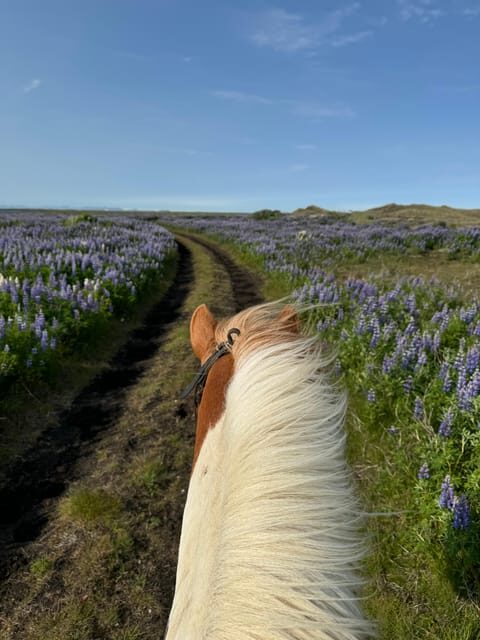
This tour leans hard on guide quality. The tour information says the guides are passionate about Icelandic horses and will introduce you to the breed’s gentle nature and smooth gaits. That’s not just marketing language. In a ride like this, your comfort depends on how clearly they communicate and how confidently they manage the horses.
The reviews reinforce that the human side is a big deal. People point out friendly, professional staff and guides who keep things organized and reassuring. Names that show up in the feedback include Jette and Helena, with riders praising the way they guided the ride smoothly—even when riders had different experience levels.
If your riding comfort varies within a group, this tour’s small size helps. It’s listed as limited to five participants, and there’s also a stated maximum group cap of six riders. Either way, you should expect enough space for a guide to notice what’s happening with each person, not just herd everyone together and hope for the best.
Safety is practical here. You get helmets, and you’re set up with the right equipment before heading out. The tour also spells out weight and age requirements: the weight limit is 110 kg / 240 lbs, and the minimum age to ride is 10 years old.
Weather and Clothing: Your Icelandic Homework
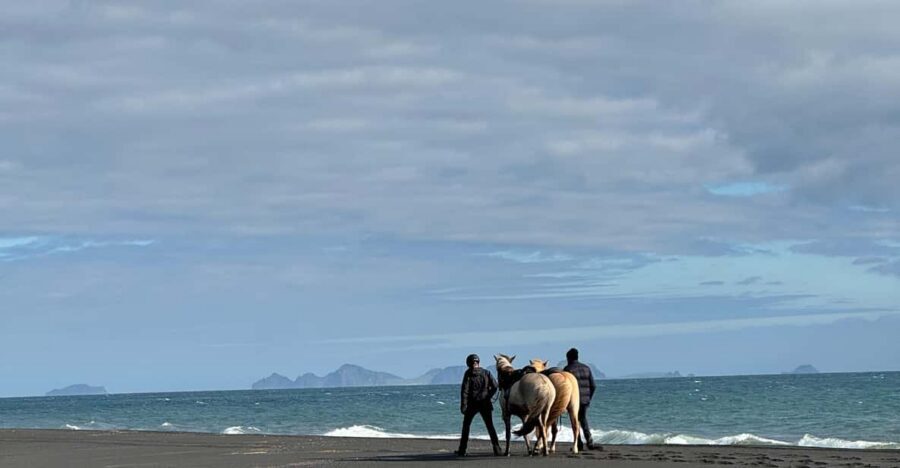
In Iceland, the right clothing isn’t optional. For this ride, the tour gives a detailed packing list, and I agree with every item on it.
Wear layers you can control. The tour recommends long underwear, warm socks, a wool or fleece sweater, and a scarf. Add a windproof jacket, and bring a buff for your neck and face if the wind gets sharp.
Gloves matter. It even suggests unused gloves, which is a nice hint that you should plan to bring the pair you’ll actually ride in. Waterproof or water-resistant outer layers help you stay warm enough to enjoy the ride instead of just surviving it.
For your feet, use good waterproof or water-resistant riding or hiking boots. Black sand is gritty and wet in places, and you’ll want stable footing and warmth.
Also bring sunglasses and sunscreen. This part feels obvious, but Iceland sun on a windy beach can still surprise you. You’ll be outside for two hours, on open coast, so plan for it like a real outdoor workout.
Finally: riding breeches or leggings are recommended. Even if you’re used to riding with jeans, this is one of those times where the correct pants reduce discomfort and help you stay confident in the saddle.
Price and Value: Is $194 Worth It?
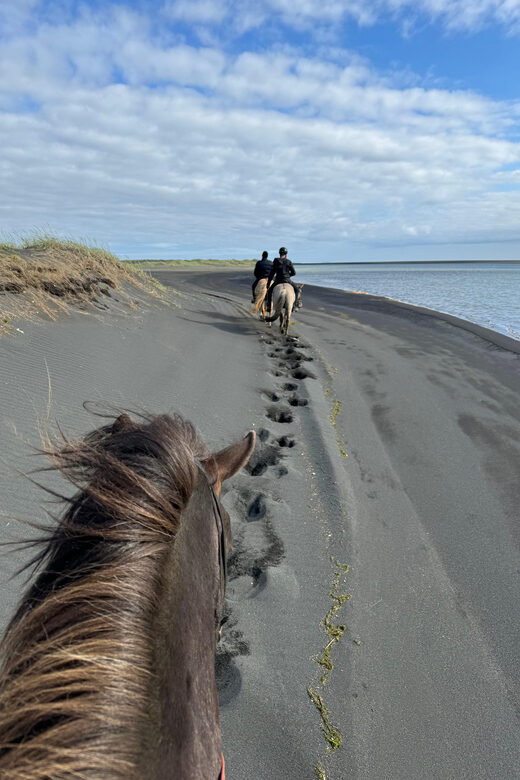
The price is $194 per person for a 2-hour black beach riding tour. At first glance, horseback riding can feel expensive. But value in Iceland often comes down to what’s included and what kind of guide time you’re getting.
Here, you get a meaningful bundle:
- Riding equipment and safety helmets
- Rainwear
- Trained guides who speak multiple languages (including English, Scandinavian, and German)
That matters because you’re not just paying for a horse. You’re paying for someone to prep you, match you to a horse, manage safety on uneven ground, and handle the real-life logistics of riding along a windswept coast.
You also get the Icelandic-horse experience itself. The smooth gait (tölt) and the gentle breed handling are the reason this tour exists, and they’re central to what you’ll remember when you head back to Reykjavík.
Not included is transportation to the farm. So your true cost depends on where you’re staying and how you’re getting to Grímsstaðir. If you already have a car or an easy transfer, the price likely feels fair for what you’re doing. If you need a complicated transfer, factor that into the decision.
Bottom line: for southern Iceland, $194 for a guided two-hour horse ride that includes gear and rainwear doesn’t strike me as outrageous. It’s the kind of activity where the included equipment is part of the bargain.
Who This Tour Fits Best (And Who Should Rethink)
This ride is listed as suitable for both beginners and experienced riders, with a key condition: basic riding experiences are necessary and guides will help you feel comfortable. So you’ll get along best if you can already handle the basics of mounting, sitting steady, and listening to instructions without panic.
It’s also not a fit for everyone physically. The tour notes that each rider is responsible for assessing whether they’re physically able to participate, including getting on and off the horses at their own accord. That’s important. Horse riding is not just sitting—there’s a real motion component.
Age limits are clear:
- Not suitable for children under 10
- Minimum age is 10 years old
Weight limit is 110 kg / 240 lbs.
If you’re short on time in Iceland, this is a clean option. It’s only two hours, and it’s based in the south region around 1.5 hours from Reykjavík. If you have more time, it pairs well with other south-coast stops where you can explore lava scenery on foot and then switch gears to ride.
If you’re afraid of windy, exposed coastal weather, that’s the one consideration. The tour includes rainwear, but you’re still outside with wind coming off the ocean. Dress like you plan to be outside for real.
A Practical Moment-by-Moment Look at Your Ride
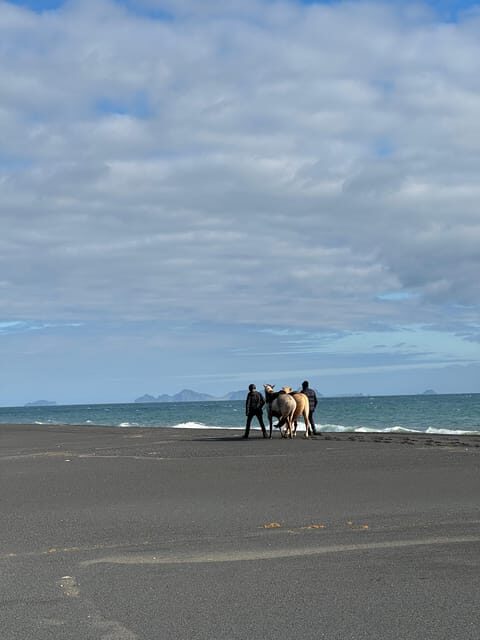
Here’s what your experience is likely to feel like, in sequence.
First, you arrive at Grímsstaðir and get your helmet and gear. You’ll get suited up for the weather, and the guide team sets expectations for the ride. This is where listening pays off most.
Next comes mounting and settling into your horse. Because black sand isn’t a gym surface, your job is to stay relaxed, keep your balance, and let the horse do what it does. The tour is built around trained horses and experienced guidance, so the ride isn’t about forcing technique—it’s about cooperating with the gait.
Then you head out onto the beach. You’ll move along a coast where the waves are visible and the wind keeps changing the air temperature. As you ride, you’ll get views out toward the Westman islands in one direction and Eyjafjallajökull in the other.
Most of your two hours will be spent in motion. That’s part of the charm. In a short ride, you don’t get bored. You also don’t have long gaps where the cold can drain your energy.
Finally, you return toward the farm area. The guide team keeps things organized so you finish with energy, not just stiff legs. Two hours is short enough that most people leave feeling satisfied rather than wrecked.
Should You Book This Southern Iceland Black Beach Tour?
I’d book it if you want an Icelandic-horse experience that feels like it belongs on your Iceland trip, not just a checkbox activity. The combination of tölt, black sand coastline, and strong guide support makes it a good value for a two-hour adventure.
You might skip it if:
- you’re not comfortable with outdoor cold and wind, even with rainwear
- you don’t meet the age or weight limits
- you know you struggle with mounting or getting on/off horses safely on your own
If you do have basic riding ability and you can dress properly, this is one of the more memorable ways to experience southern Iceland. The scenery is dramatic, but the real win is how the ride slows you down long enough to feel the coast from horseback.
FAQ
Where is the meeting point for this tour?
The meeting point is at the farm Grímsstaðir. From between Hella and Hvolsvöllur, take the road Oddavegur by turning at the sign that says Oddi, drive until you can’t go straight anymore (asphalt then gravel), turn right, and Grímstaðir is on the right side.
How long is the horseback riding tour?
The tour lasts about 2 hours.
How old do you have to be to ride?
The minimum age to ride is 10 years old, and it’s not suitable for children under 10.
What is the weight limit?
The weight limit for all tours is 110 kg / 240 lbs.
Is transportation to the farm included?
No. Transportation to the farm is not included.
What should I bring for the ride?
Bring layers of clothing (including long underwear and a warm sweater), scarf/buff, unused gloves, and a windproof jacket. You should also bring riding breeches or leggings, waterproof or water-resistant boots, sunglasses, and sunscreen.
What’s included in the price?
Included are riding equipment and safety helmets, rainwear, and trained guides who speak multiple languages including English.
How big are the groups?
The group is small, limited to 5 participants, with a stated maximum of 6 riders per group.