REVIEW · REYKJAVIK ESCAPE
Reykjavik: 1-Hour Prison Break Escape Game
Book on GetYourGuide →Operated by Reykjavik Escape · Bookable on GetYourGuide
A real prison cell, one hour to escape. That’s the heart of this Reykjavik Prison Break game, with you and your team hunting hidden clues and cracking codes before the guards come back. I like the hands-on, problem-solving focus, and I like how the story stays simple and urgent: escape or face execution.
The other big upside is you get that constant ticking timer pressure, which turns a puzzle session into something more like a sprint with teamwork. One thing to keep in mind: if earlier players left misleading marks or confusing visual clutter inside the room, it can throw off your first ideas.
In This Review
- Key points before you go
- One Hour in a Maximum-Security Cell: the core game loop
- The story pressure: framed for murder, then sentenced to death
- What you do in the room: clues, codes, and riddles under pressure
- Team size and the two-room setup (2 to 6 players)
- Price and timing: what $49 buys in a 75-minute block
- Starting at Reykjavik Escape on Borgartún 6
- How to get the best odds of escaping (and enjoying it anyway)
- Who this Reykjavik escape game is best for
- Age considerations
- Should you book the Prison Break escape game?
- FAQ
- FAQ
- Where does the Prison Break escape game start in Reykjavik?
- How long is the experience?
- Is there more than one room running at the same time?
- What language is the host or greeter?
- How many people can play in a room?
- Are unaccompanied minors allowed?
- What should families know about children?
Key points before you go
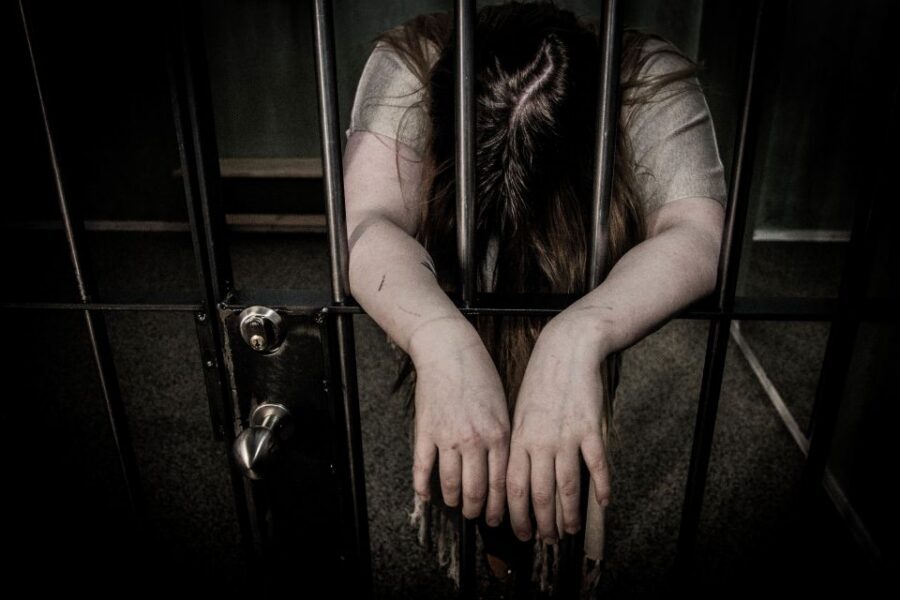
- Real-cell setting: you move through a prison-themed room where clues are built into the environment
- Clock-based gameplay: guards do a check at the one-hour mark, so pacing matters
- Team problem-solving: codes, riddles, and hidden clues reward clear roles and steady communication
- Room limits and capacity: 2–6 people per room, with two rooms running at once
- Worth it even if you do not escape: the fun comes from the challenge and team effort, not only the finish
One Hour in a Maximum-Security Cell: the core game loop
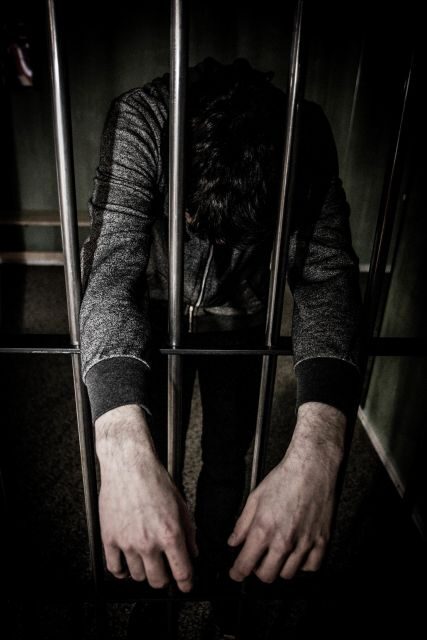
If you’re looking for something in Reykjavik that feels different from a walking tour or a museum stop, this escape game delivers. You get dropped into a prison-themed room where the goal is straightforward: solve puzzles fast enough to break out before the guards make their rounds. It’s puzzle-first, but the real cell setting adds weight. You’re not just decoding; you’re doing it under pressure.
What I like most is that the mechanics feel purposeful. The room isn’t filled with random items. It’s about sequencing: find clues, connect them, then turn that into a code or action that unlocks the next step. That creates a satisfying rhythm where your progress actually feels measurable as time passes.
The second big plus is that it forces teamwork in a practical way. Even if one person is strong at patterns or logic, someone else will need to spot a detail, translate a riddle into something actionable, or test a code. It’s a group challenge that rewards communication, not just speed.
You can also read our reviews of more tours and experiences in Reykjavik Escape.

The story pressure: framed for murder, then sentenced to death
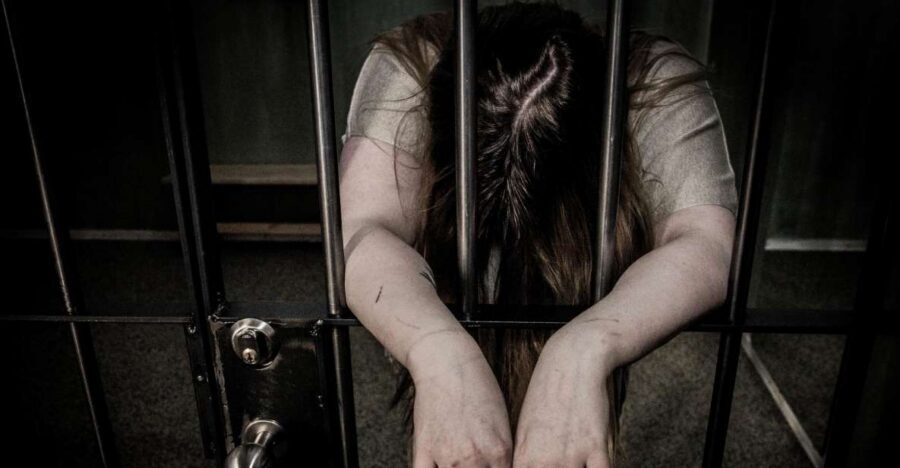
The storyline is part of what makes the clock feel personal. Your scenario goes like this: you’re framed by a mastermind, sentenced to death, and locked in maximum security. You’re not waiting passively for instructions. You’re trying to beat time so the story can end with your escape rather than the final outcome.
Here’s why that matters for you as a visitor: the plot gives purpose to the puzzle design. Codes, riddles, and hidden clues are not just a way to pass time. They’re framed as the only path to save yourself before the guards return for a check. That gives your team a mental hook to stay focused instead of drifting into trial-and-error forever.
Also, the game has a built-in urgency. The guards’ rounds and check-up are tied to the hour mark. You’re working with a fixed window, so you can’t assume you’ll get unlimited tries. You need to plan how you’ll spend those minutes.
What you do in the room: clues, codes, and riddles under pressure
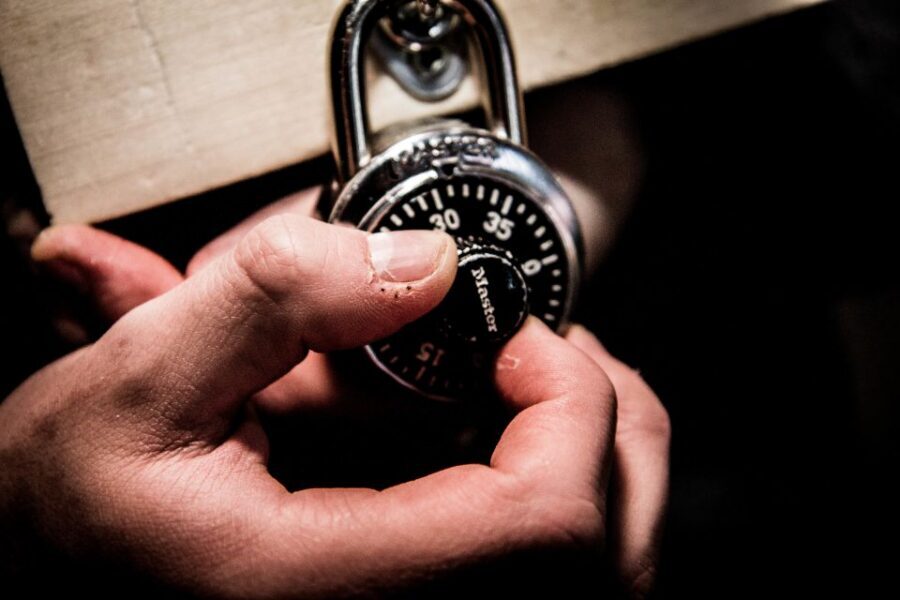
This is not a one-style puzzle experience. You should expect a mix of tasks that usually fall into three buckets:
- Hidden clues: details that are there, but you need the right angle or attention to catch them
- Code breaking: working out the correct combination from what you’ve found
- Riddles and logic: puzzles where the answer comes from interpreting information, not just guessing
In practice, you’ll get the best results if your team works like a mini investigation unit. One person can scan for clues while others focus on interpreting what those clues might mean. Then you rotate roles as soon as you hit a dead end.
A small caution that can matter more than you’d think: there can be confusing visual leftovers from earlier play, like markings that don’t fit your current path. That means you should not get emotionally stuck on the first interpretation. If a clue seems off, step back and verify it against the puzzle prompt you’re actively solving, not against what your instinct tells you.
Team size and the two-room setup (2 to 6 players)
This escape game runs with a room capacity of 2 to 6 people. There are two rooms available for the escape games, meaning multiple groups can play at the same time. That affects your experience in a simple way: your room is focused on your team, not a big crowd.
If you’re deciding who to bring, think about the kind of team dynamics you want. Two people can work, but you’ll feel the clock more strongly because you have fewer brains to divide tasks. Six people can be a lot of fun, though it also increases the chance of overlapping guesses. The sweet spot for many groups is usually around four: enough people to cover clue-hunting and code testing, without turning into five different plans at once.
A practical strategy you can use from minute one:
- Assign one person to track time and call out remaining minutes.
- Assign one person to handle any code entry or mechanical steps.
- Let the rest focus on clue searching and pattern spotting.
Then swap roles if your first plan stalls.
Also, it’s a private group experience, which is worth noting. You’re not competing in a shared chaos pile with strangers. Your team gets to work directly with the game’s flow.
Price and timing: what $49 buys in a 75-minute block
The price is listed as $49 per person, with the activity lasting about 75 minutes total. The puzzle portion is built around the one-hour escape challenge, so you should think of the additional time as the buffer for briefing, setup, and wrapping up after the run.
Is $49 worth it? For many visitors, yes, because you’re paying for something that’s interactive and concentrated. You’re not spending hours on logistics for a similar level of fun. This is one of those Reykjavik activities where a single ticket turns into a full, contained experience: you arrive, you play, you leave with stories and a clear sense of how your team performed.
One value point that’s easy to miss: you don’t just buy a win. You buy a structured challenge. Even if your team doesn’t manage to escape within the hour, the room still gives you something to do, and it tends to be memorable because you’ll remember the exact moment you realized a clue had meaning.
If you’re comparing it to other things you could do for that evening, ask yourself whether you want an hour of movement and problem-solving over a passive sit-down activity. If yes, this price lands more reasonably.
Starting at Reykjavik Escape on Borgartún 6
Your meeting point is Reykjavik Escape at Borgartún 6, 105 Reykjavík. The activity ends back at the meeting point, so you don’t need to plan a separate meetup later or figure out how to get home from a far-off location.
The host or greeter is English, which helps a lot if your group includes non-Icelandic speakers. You’ll want to arrive on time, not early just to wait, because the clock is the whole point of the experience.
A practical tip: bring a clear head. Escape games reward attention and calm. If you’ve been running around Reykjavik all day, you’ll do better if you take a moment before your session to reset your focus.
How to get the best odds of escaping (and enjoying it anyway)
The goal is to escape in less than the hour, but the real question is what makes teams succeed. From how these games are usually structured, the winning pattern is consistent: fast clue collection, clean interpretation, and decisive code testing.
Here’s what I’d do to maximize your chances:
- Start with roles: don’t let everyone roam randomly. Put someone on clue hunting and someone on code attempts.
- Write things down: if the room gives you steps, numbers, or patterns, capture them where your team can see. Memory gets messy when the timer heats up.
- Test your ideas quickly: if you think you have a code, don’t spend 15 minutes debating without trying. Try, then adjust.
- Communicate in short bursts: say what you found, then say what you think it means. Skip long speeches.
And remember the balancing fact you can take into any escape room: even if you don’t escape, you can still have a great time. One of the most common reasons people end up disappointed is treating the escape as the only success metric. Better mindset: aim for progress. You’ll feel it when you solve a code and the room changes.
That also helps with the specific issue of confusing marks. If something you notice seems to steer you wrong, treat it as a clue in itself: it tells you what to question. Then focus on what the current puzzle is actually asking for.
Who this Reykjavik escape game is best for
This fits especially well if you:
- like puzzle challenges with real-world, hands-on elements
- enjoy teamwork and communication under time pressure
- want a fun night activity that doesn’t require transportation planning across the city
It can also work for visitors who are new to escape rooms. The story is simple, the goal is clear, and the puzzles are meant to be solvable by a group working together.
It may be less ideal if your group strongly dislikes time limits or puzzle games. If everyone in your party expects a relaxed, low-stress activity, you’ll feel the clock and it might not match your mood.
Age considerations
Unaccompanied minors are not allowed. Also, children under 10 must be accompanied by at least one adult per room. If you’re traveling with kids, that’s the big factor to check before you pick a time.
Should you book the Prison Break escape game?
Book it if you want a Reykjavik activity that’s interactive, timed, and built around teamwork. The real prison cell setting plus the clear one-hour challenge makes it a memorable use of an evening, and the experience tends to be fun even when escape doesn’t happen.
Skip it only if your group hates puzzles or gets stressed by clocks. The entire design is built on sprinting from clue to clue before the guards return. If that sounds like your kind of fun, you’ll likely enjoy yourself.
FAQ
FAQ
Where does the Prison Break escape game start in Reykjavik?
The meeting point is Reykjavik Escape, Borgartún 6, 105 Reykjavík.
How long is the experience?
The total duration is 75 minutes. The escape challenge itself is designed around a one-hour window.
Is there more than one room running at the same time?
Yes. There are 2 rooms available for the escape games, so up to 12 people can play at the same time.
What language is the host or greeter?
The host or greeter is available in English.
How many people can play in a room?
The room is for 2 to 6 people.
Are unaccompanied minors allowed?
No. Unaccompanied minors are not allowed.
What should families know about children?
Children under 10 years old must be accompanied by at least 1 adult per room.