REVIEW · JOKULSARLON
Jökulsárlón: Vatnajökull Ice Cave Guided Tour
Book on GetYourGuide →Operated by Guide to Iceland · Bookable on GetYourGuide
One good way to picture Iceland in winter? Blue ice you can touch. This Vatnajökull ice cave tour takes you from the Jökulsárlón Glacier Lagoon area to a real glacier tunnel, with an expert local choosing the safest cave each day. I love the way the tour builds you up from the lagoon’s ice drama to the deep color inside the cave, and I love the practical guide-led approach with all the gear for a secure walk. The only catch is that the cave can be busy and the look of the ice varies with conditions, so it’s not always the exact giant-cathedral cave you see in photos.
You’ll spend most of your time in motion and preparation—Super Jeep travel, a short trek to the entrance, then a fixed window inside—so plan to dress like you’re going to be outside for real. Guides keep the group moving because the cave is a changing, natural space, not a museum set.
In This Review
- Key Points to Know Before You Go
- Jökulsárlón to Vatnajökull: Why This Tour Feels Different
- Meeting at the Café by Jökulsárlón Glacier Lagoon
- Super Jeep Ride: Comfort Tips for a Bumpy 20 Minutes
- The Short Walk In: Crampons, Footing, and Safety Gear
- Choosing the Cave: How Your Guide Hunts for the Best Spot
- Inside the Cave: Blue Ice, Photo Time, and What 1.5 Hours Really Means
- Vatnajökull National Park Time: Beyond the Cave Entrance
- Price and Value: Is $164 a Fair Deal?
- What to Bring (So You Don’t Spend the Tour Miserable)
- Who This Tour Fits Best (and Who Might Skip It)
- Should You Book This Jökulsárlón Vatnajökull Ice Cave Tour?
Key Points to Know Before You Go
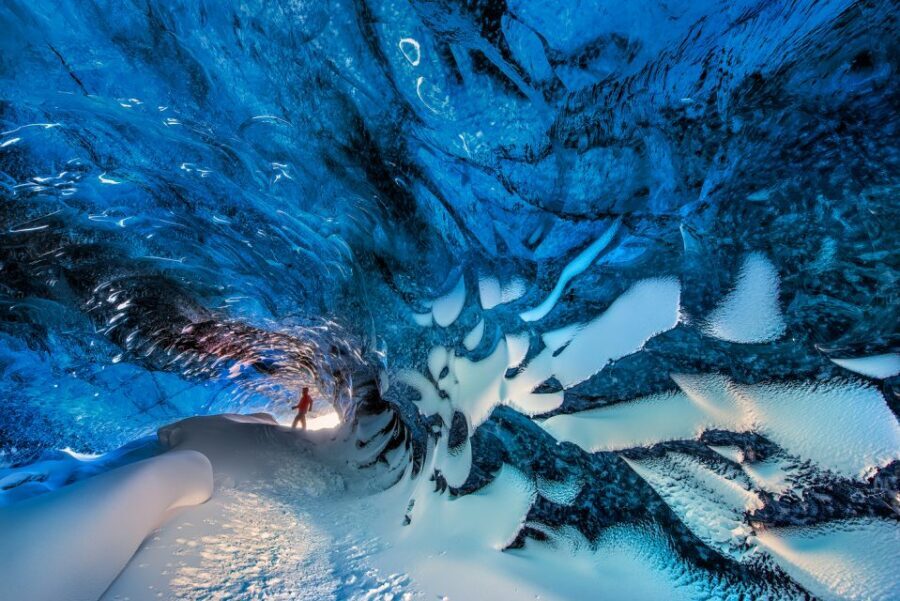
- Europe’s largest glacier, Vatnajökull: you’re visiting the source, not a staged display
- A guide hunts the newest ice cave: caves shift year to year, so you’re not guaranteed the same look twice
- Up to 1.5 hours inside the cave: enough time for photos and just standing there staring at the ice
- Super Jeep + short walk: you trade long hikes for rugged access and a relatively manageable approach
- Crampons and helmets included: built for traction and safety on icy terrain
Jökulsárlón to Vatnajökull: Why This Tour Feels Different
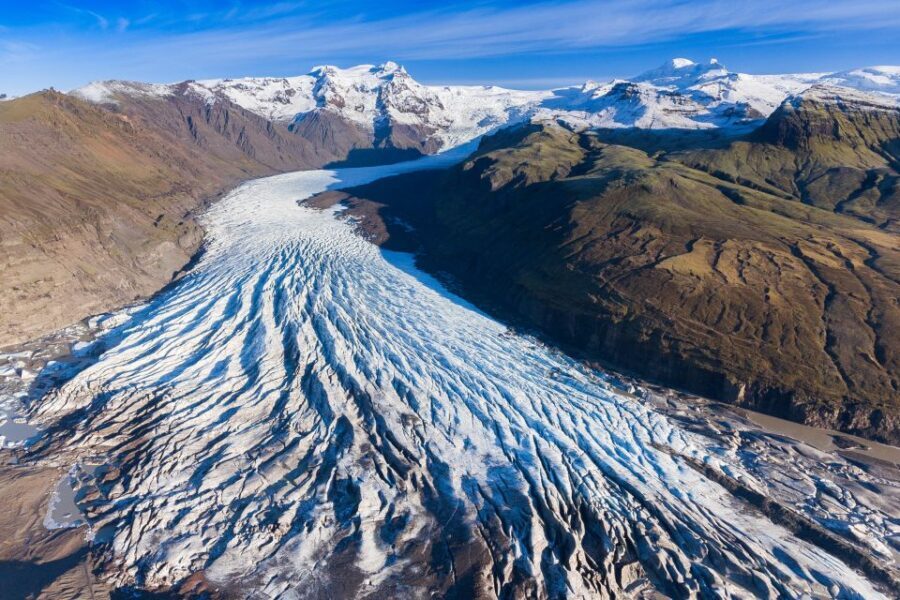
This is one of those Iceland experiences where the “wow” shows up fast. You start near the Jökulsárlón Glacier Lagoon area, where icebergs float and glacier water is always doing something interesting. Then, after a Super Jeep ride and a short walk, you’re standing at the mouth of an ice cave carved by the glacier itself.
What makes this tour feel worth your money is the logic behind the day. You’re paying for two things at once: access (getting to the right spot) and safety (having a guide who knows how to choose and enter a cave without cutting corners). The deep blue inside the cave is the headline, but the value is really the whole package working together: transport, gear, and a guide-led route through an environment that changes.
The ice has taken a long time to form, and the cave reveals that in layers—color gradients, textures, and the strange way light behaves in enclosed ice spaces. It’s not just pretty. It’s a reminder that Vatnajökull is a living system.
You can also read our reviews of more tours and experiences in Jokulsarlon.
Meeting at the Café by Jökulsárlón Glacier Lagoon
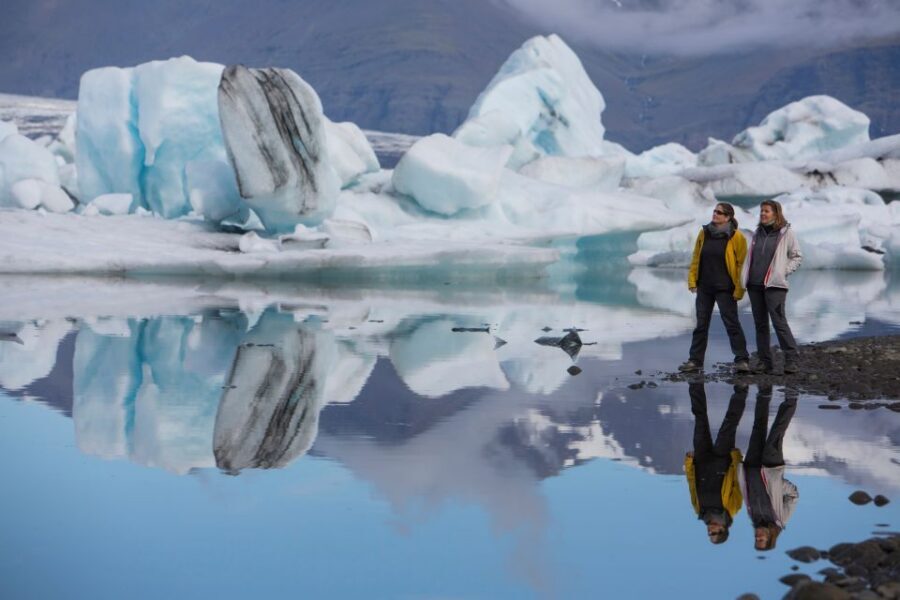
Your meeting point is the Café by Jökulsárlón Glacier Lagoon in South Iceland. It’s a practical start: you show up near where the glacier story is already visible, with plenty of winter atmosphere around you even before you gear up.
From there, the tour moves quickly into the “get there” part. Expect about a 20–30 minute Jeep/SUV transfer toward the glacier before the walk to the cave entrance. The timing matters because it keeps the day from dragging too long, especially in winter daylight. It also helps explain why this tour can be a full “3 hours” on the clock while still delivering the cave time.
One small thing to take seriously: this area is remote. Even if you’re traveling from inside Iceland, you should expect a significant day out of your schedule. In at least one case, people have built the trip from places around Vík and still felt it was worth it—so yes, the drive is real, but the cave is the payoff.
Super Jeep Ride: Comfort Tips for a Bumpy 20 Minutes
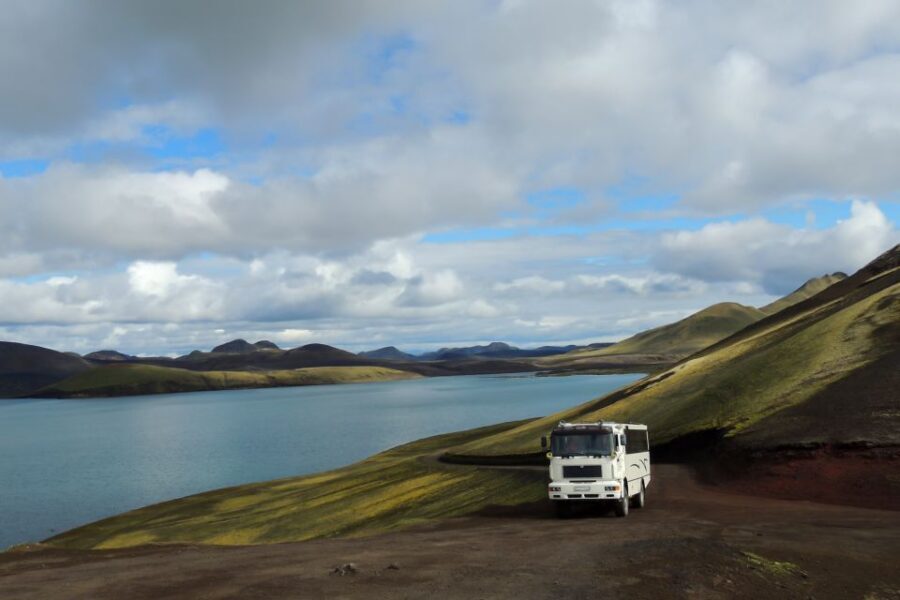
The Super Jeep part isn’t just for fun shots—it’s there because glacier-area terrain isn’t friendly. You’ll be in a Jeep/SUV for short stretches (around 20 minutes here and another 20 minutes back), and the ride can be extremely bumpy.
If you get motion sick, treat this like a real risk, not a maybe. One practical tip that keeps showing up: consider taking something like Dramamine and, if you have a choice, sit toward the front of the vehicle to reduce the rocking.
Also, dress so you don’t start shivering halfway through. Even if you’re “warm enough” on the drive, cold air changes once you step out near the ice. You’ll want warm layers that you can keep on without fiddling.
The Short Walk In: Crampons, Footing, and Safety Gear
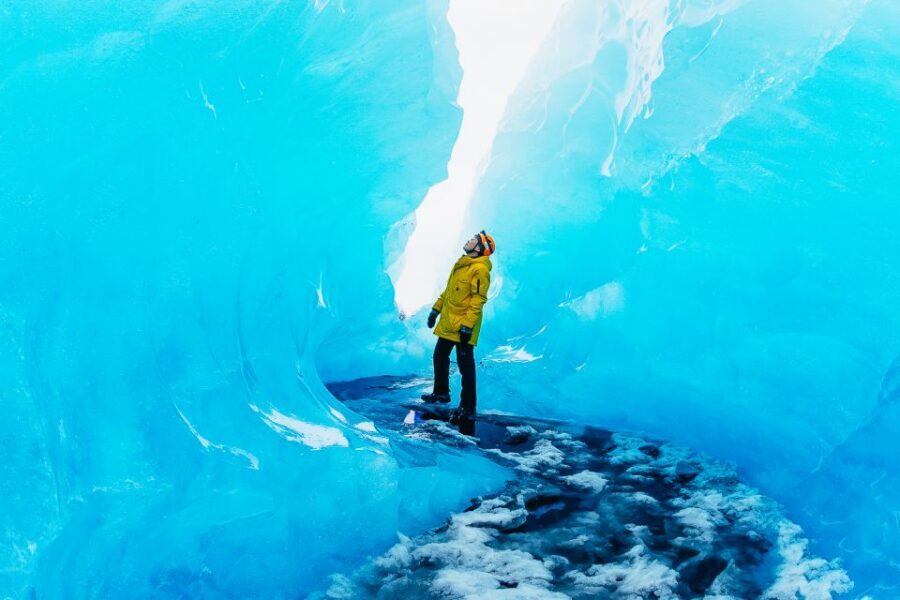
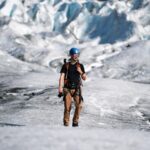
Once you reach the glacier area, the walk to the cave entrance is usually 5–15 minutes. That’s short, but it’s not a casual stroll. The ground is icy and rugged, and you’ll be moving over winter terrain while wearing winter gear.
The tour includes safety equipment, and that’s a big deal here. You get the items that help you stay upright on slick ice. Crampons are the key piece most people notice quickly: they change how safe and stable the walking feels, especially on a slope or uneven patches.
The guide’s job starts before you even see the inside. You’ll get a safety briefing, and you’ll be expected to follow instructions closely. Treat it like ski safety: the whole point is that the group works as one unit moving carefully, not as a free-for-all.
If you’re nervous about walking on ice, this is exactly the kind of place where you should feel glad the tour supplies gear. The better your footing, the more you can enjoy the moment when the cave opens up.
Choosing the Cave: How Your Guide Hunts for the Best Spot
Caves aren’t permanent structures. They evolve with meltwater, seasonal changes, and shifting glacier conditions. That’s why the experience includes a key ingredient you can’t fake on your own: a local guide who actively searches for the newest cave each season.
The tour description is clear that ice caves form beneath the glacier, and that guides select the best and safest cave each day. Practically, that means your “blue ice expectation” has to be flexible. You might see walls that look like polished glass. You might see smaller formations with strong color. Or you might see a mix of sizes in one cave system—tall chunks and low, close-up passages.
One common theme from people who did this: the guide adds the context that turns “pretty ice” into a real understanding of how glacier ice behaves. Names like Axel, Fannar, and Javier come up in the kinds of stories people share—often tied to clear explanations and a careful tone around safety.
Ask questions during the briefing. Simple ones work: How do these caves form? What changes year to year? How do you decide which opening is safe today? A good guide will use those moments to make the glacier feel less mysterious.
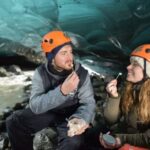
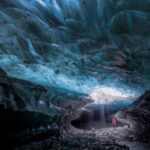
Inside the Cave: Blue Ice, Photo Time, and What 1.5 Hours Really Means
You’ll have up to 1.5 hours inside the ice cave. That timing is important. It’s long enough to walk, pause, and really look at the ice. It’s also short enough that you’re not stuck dealing with cold stress for half a day.
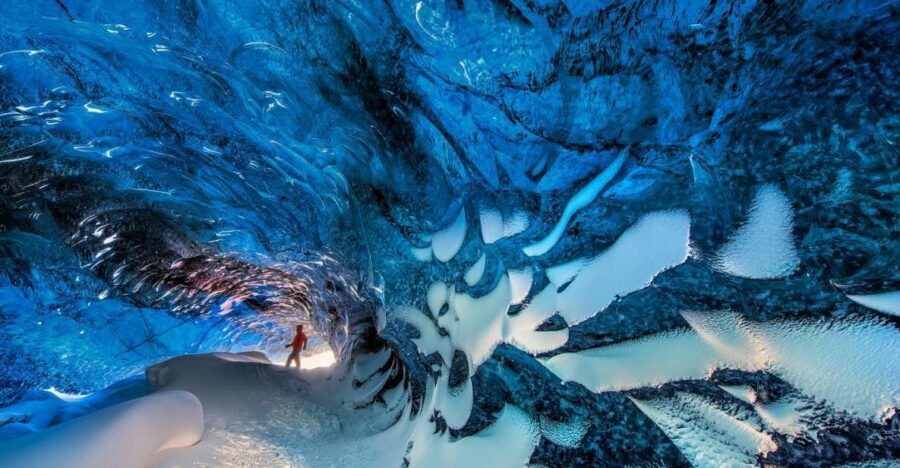
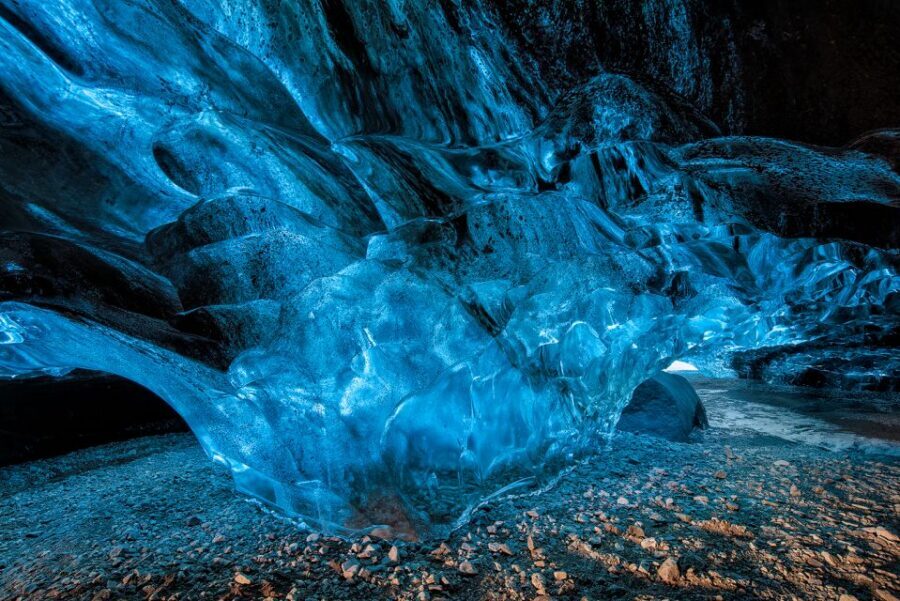
The color is the star. Blue ice comes from how light passes through dense ice and how the cave’s internal structure shapes that light. In practice, you’ll notice layers: darker depth in some areas, bright electric blue in others, and textures that look almost carved.
This is also a place where photos can be easy to overthink. My advice: take a few wide shots early, then slow down for close-ups. And don’t forget the “human scale” details—people react strongly to ice that ranges from small, low formations to much taller walls.
The cave is natural and changeable, so expect things like changing size, changing light, and sometimes a cave that doesn’t feel huge. Even when the cave isn’t the size you pictured, the blue ice itself can still be the full experience. The goal isn’t to “complete” a checklist. It’s to stand inside a glacier system and let your brain catch up.
One more reality check: the cave can be busy, especially in winter. In cases where groups share the cave, time inside is still managed so you get your turn. Still, if you hate crowds, go with realistic expectations and use your time strategically—pick the best spot for photos and take them without rushing your route.
Vatnajökull National Park Time: Beyond the Cave Entrance
Part of the experience is guided time in the broader Vatnajökull National Park area—about 1.5 hours under the glacier visit window structure you’ll follow for the day. This matters because it anchors the cave in the bigger system.
Even if your main focus is the cave, you’ll want that context. Glacier talk isn’t just trivia. It helps you understand why the cave looks the way it does, why it changes, and why the guide’s job includes constant searching.
You’ll also see how the ice interacts with the surrounding winter terrain. This is one reason the tour works well as a “destination day” rather than just a quick stop. You get the shift: lagoon ice drama outside, then enclosed blue ice inside, then a return through the glacier region with a better mental map of what you’re seeing.
Price and Value: Is $164 a Fair Deal?
At $164 per person for about 3 hours, this tour isn’t “cheap,” but it also isn’t overpriced when you break down what you’re actually buying.
You’re paying for:
- A guided ice cave selection process (finding the best and safest opening each day)
- Transport via Super Jeep to rugged glacier terrain
- Safety gear that makes a real difference on ice
- A live English-speaking guide who explains what you’re seeing
If you tried to do this on your own, you’d need the same essentials: local access, correct gear, and reliable route choices. Even if you can drive to the general area, the cave itself is the tricky part—changing year to year, conditions shifting fast, and safety requiring specialized knowledge.
In other words, you’re not just paying for the entrance. You’re paying for the ability to do it correctly. That’s the best kind of value in Iceland: fewer headaches, more time actually experiencing the thing.
What to Bring (So You Don’t Spend the Tour Miserable)
Bring clothing that handles cold and wind. The tour advises:
- Warm clothing
- Hiking shoes
- Rain gear
I’d add two practical thoughts based on the cold walk and enclosed cave time. First: wear layers you can adjust quickly. Second: pick shoes that work well with winter walking. If you’re relying on crampons, good shoe fit still matters for comfort and stability.
Also, if you tend to get motion sick, plan ahead with the bumpy Super Jeep ride in mind. You’ll thank yourself later when you’re focused on the ice instead of fighting nausea.
Who This Tour Fits Best (and Who Might Skip It)
This tour is a strong match if you want a high-impact winter experience without spending a full day hiking. The cave time is substantial (up to 1.5 hours), and the walking component is short. It’s also a great fit if you care about safety and want a guide to do the hard parts—choosing the right cave, keeping the group moving, and making sure you’re equipped.
It’s not suitable for children under 8, which makes sense given icy terrain and the cold conditions inside the cave.
If you’re comfortable with cold weather and basic walking on rugged ground, you’ll likely find it manageable. If you can’t stand enclosed spaces or you get anxious around crowds, keep expectations flexible. The cave is real and changing, and your day can feel busy if you’re traveling during peak times.
Should You Book This Jökulsárlón Vatnajökull Ice Cave Tour?
I’d book it if you want the most direct way to see glacier ice in winter—one of Iceland’s few experiences that feels both wild and strangely delicate. The pricing makes sense when you look at what’s included: guide, Super Jeep access, safety gear, and real time inside the cave.
I wouldn’t book it if you want a quiet, uncrowded, fully controllable experience. Expect cold, expect rugged ice walks, and expect that the cave can look different than the best-case photos. But even when conditions shift, the blue ice is still the whole point—and it’s hard to beat standing inside a glacier system that’s actively changing under your feet.
If you’re on the fence, here’s my final deciding question: do you want the rare experience of an ice cave that only exists for a short window each year? If yes, book it early and show up dressed for winter.