REVIEW · AKUREYRI
Akureyri Port: Lake Mývatn & Goðafoss Guided Tour with Lunch
Book on GetYourGuide →Operated by Saga Travel · Bookable on GetYourGuide
Volcanic north gets very personal on this trip. You’re picked up at Akureyri Cruise Ship Port and guided through the Lake Mývatn area where you can see lava scars, steaming fumaroles, and the continental rift in one solid day. I especially love how the tour stays in motion without feeling rushed at the key stops like Goðafoss and Dimmuborgir, and I like that the guide focus is practical, from what you’re looking at to why it matters. One consideration: the schedule is tight, so time at the wider Lake Mývatn area is short, meaning you’re mostly there for the major geothermal sites rather than wandering the region.
In This Review
- Guides make the science feel like a story
- Key highlights you’ll notice fast
- Entering The Day From Akureyri Port
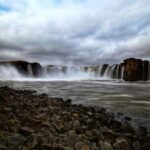
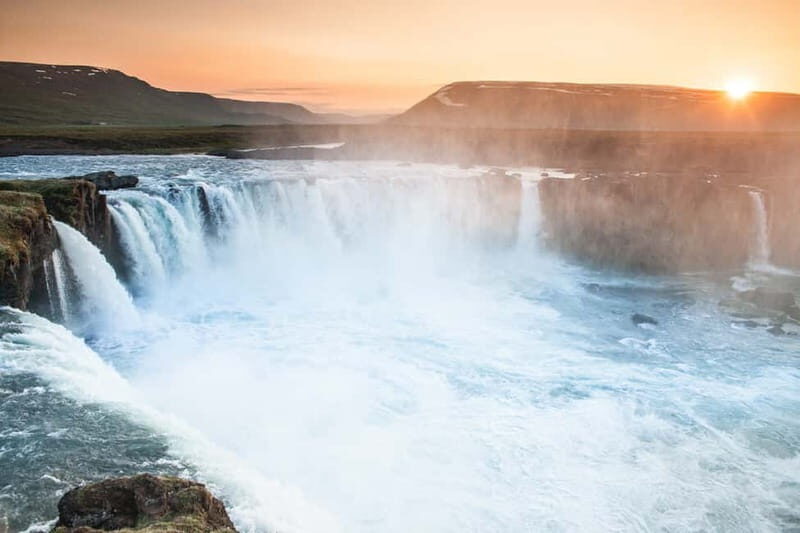
- Goðafoss Waterfall: The Stop That Sets the Tone
- Skútustaðagígar pseudo-craters: When geology looks weird on purpose
- Dimmuborgir lava fields: Sagas on rock formations
- Hverir boiling mud pools: The smell and steam you came for
- Grjótagjá: A quick rift moment at the Europe–Americas boundary
- Mývatn lunch at the Heritage and Nature Museum
- The exact flow of the day (and where time goes)
- Price and value: $318 for a cruise-shore day that adds up
- Who this tour fits (and who may feel boxed in)
- Should you book this Lake Mývatn and Goðafoss tour?
- FAQ
- How long is the Lake Mývatn and Goðafoss shore excursion?
- Is lunch included, and what kind is it?
- What’s the group size?
- Do you pick up and drop off at the cruise port?
- Is there WiFi on the minibus?
- Where do I meet the tour?
Guides make the science feel like a story
The best part is that the day runs like a guided field trip, not a bus crawl. You’ll likely hear crisp explanations in English from guides such as Daba, Tora, Doray, Paul, Leo, and Julius, and the commentary tends to keep pace with what you can actually see outside the window. I also appreciate the included Mývatn Heritage and Nature Museum stop with a light lunch away from the big-bus chaos, plus onboard WiFi for the long-ish stretches between sites. If you hate small-space seating, the minibus can feel snug for long days, especially when everyone’s dressed in layers.
Key highlights you’ll notice fast
- Small group (max 14) means fewer delays getting on and off the minibus
- Goðafoss time feels earned (about 45 minutes) instead of a quick photo stop
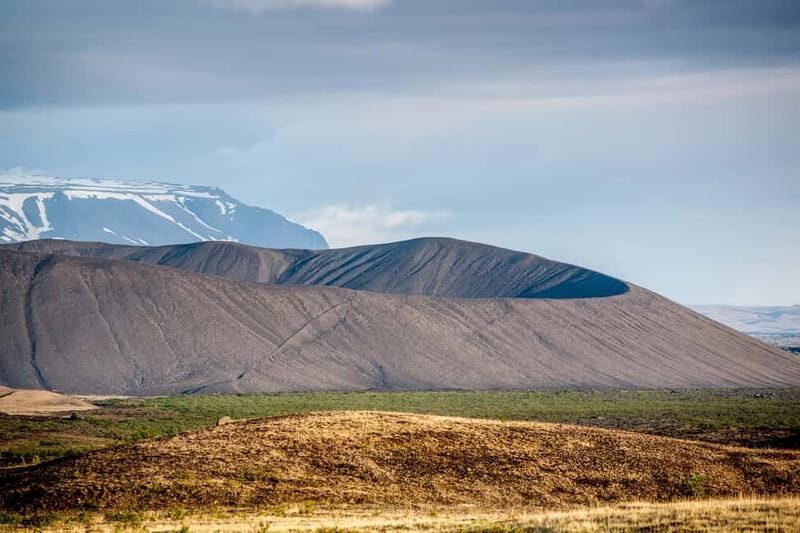
- Skútustaðagígar pseudo-craters show how lava and lake ice made unusual shapes
- Dimmuborgir lava fields give you real photo variety in about 50 minutes
- Hverir boiling mud pools deliver the most intense steaming/sulfur atmosphere
- Grjótagjá rift moment links what you’re seeing to the Europe–Americas boundary
You can also read our reviews of more guided tours in Akureyri
Entering The Day From Akureyri Port
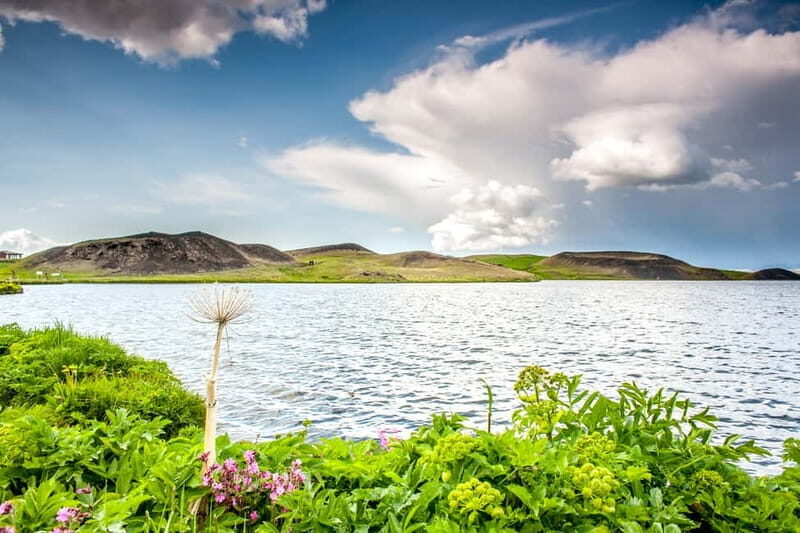
This is a classic cruise-shore excursion setup: you get pickup and drop-off at the Akureyri Cruise Ship Port area, and the tour is designed to get you back with enough time before your ship leaves. The meeting point is at Laufásgata 1, and Saga Travel staff are easy to spot in red jackets.
The vehicle is a minibus, not a big coach, and that matters more than you’d think. In places like the waterfall and steaming geothermal areas, delays are usually about crowds and doorways. With a smaller group, you tend to move with less waiting, and you can spend more of your scheduled time looking instead of standing in line. You’ll also have onboard WiFi, which is handy if your signal is spotty at the port and you want to send a quick update before you lose phone range.
The tour runs about 6.5 hours, and the itinerary is weather-dependent. Iceland likes to change plans on you, so think of the day as a geothermal hits tour with flexibility built in.
Goðafoss Waterfall: The Stop That Sets the Tone
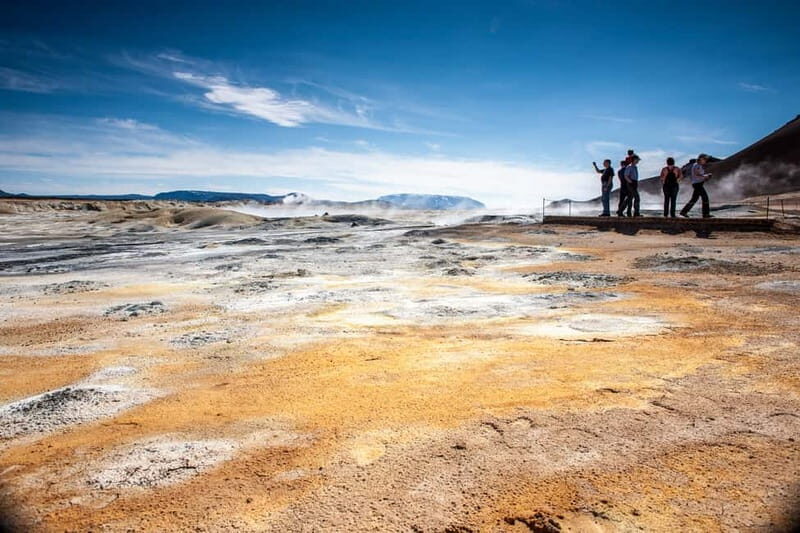
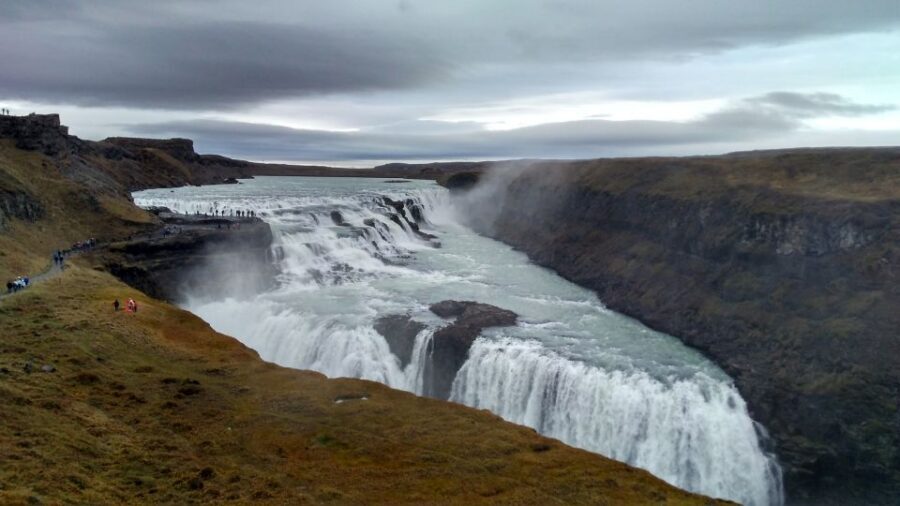
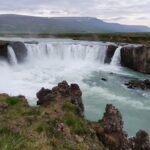
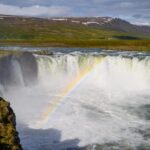
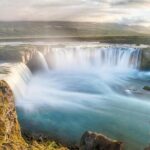
Goðafoss is the headline here, and the timing reflects that: roughly 45 minutes on site. It’s not just a dramatic waterfall view. Your guide will connect what you’re seeing to Iceland’s story—Goðafoss has a role in the country’s history that you can hear about while you’re standing close enough to feel the spray.
Practical tip: wear shoes that grip. Even when the ground looks dry, mist and occasional damp patches can make paths slick. Bring your camera, but also take a few seconds to stop photographing and just watch. Water like this can trick your brain into speeding up; slow down and the details (spray, rock texture, scale) land better.
The tour also uses the other stop timing to reduce stress. There’s a short transfer, then you’re out again. If you’ve ever done a long bus tour where the best place gets crowded and you’re herded like luggage, you’ll appreciate this format.
Skútustaðagígar pseudo-craters: When geology looks weird on purpose
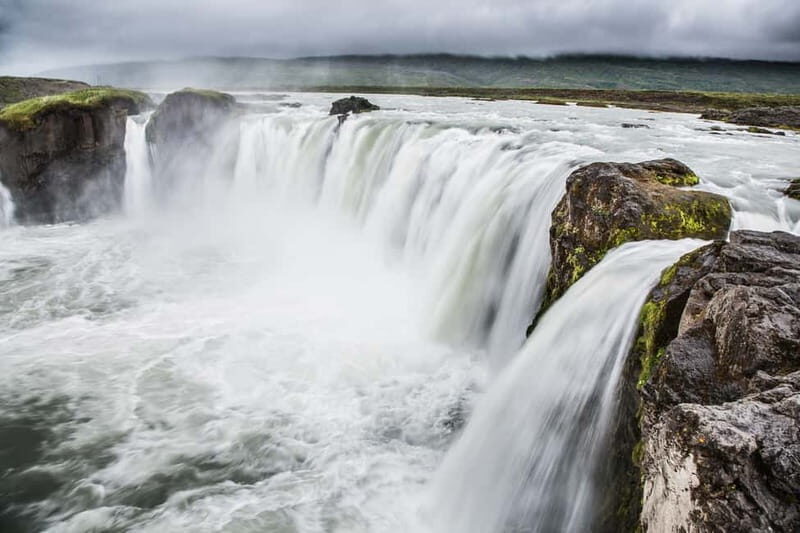
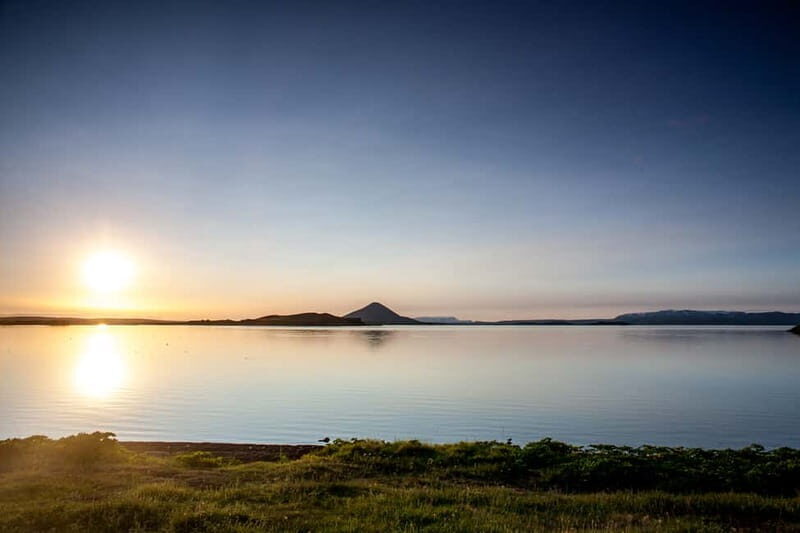
After Goðafoss, you head toward Lake Mývatn and the wetlands area near Krafla volcano. One of the most interesting sights is Skútustaðagígar, where you’ll see pseudo-craters formed when hot lava met cold water from the lake.
This is one of those stops where a good guide really matters. The shapes look almost man-made from a distance, but the explanation ties it to Iceland’s geothermal mechanics. You’re not just looking at odd hills—you’re watching a lesson in how heat and water can create dramatic results even without a classic impact crater.
Time here is built into the day as a transfer + on-foot visit. You’ll likely get enough minutes to walk between viewpoints, take photos, and understand what you’re seeing before the next heat-and-humidity stop kicks in.
Dimmuborgir lava fields: Sagas on rock formations
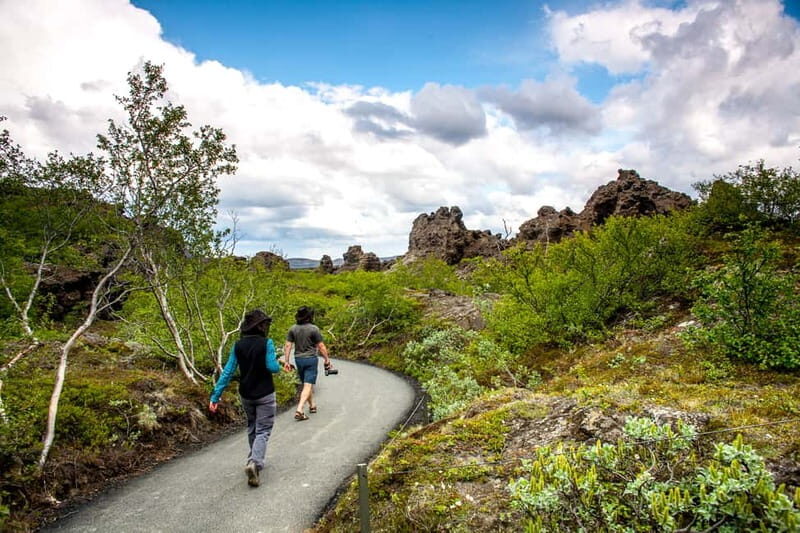
Dimmuborgir is where the day goes from impressive to theatrical. The tour includes about 50 minutes at the lava fields—plenty of time to wander slowly and catch the formations from multiple angles.
The key thing I like about Dimmuborgir is that it doesn’t feel like one long stretch of sameness. Lava here forms pillars, ridges, and strange rock stacks that naturally create “stories” you can picture. Your guide will mention the mythical saga connections tied to the area, and even if you don’t care about legends, the rock shapes give you plenty to interpret.
Practical tip: expect uneven ground. Iceland’s lava terrains can be rocky and slightly sharp underfoot. Comfortable, grippy shoes do more than keep you safe—they help you relax and actually look around.
Hverir boiling mud pools: The smell and steam you came for
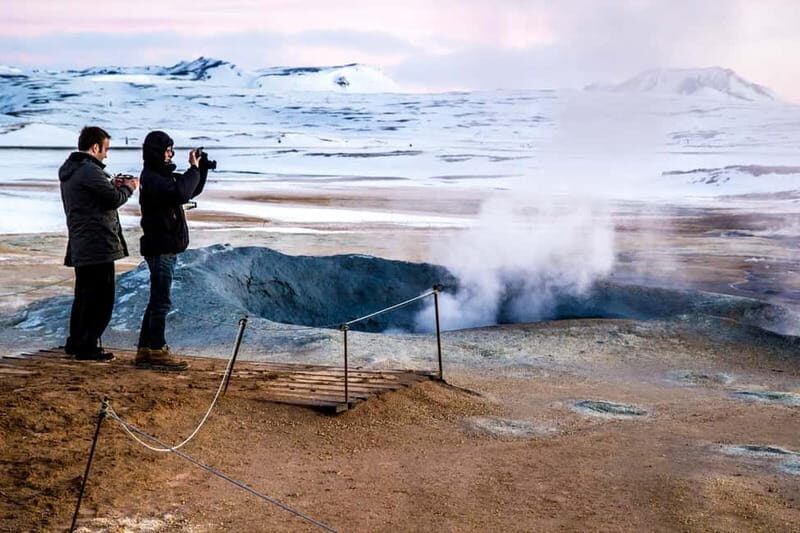
Then you reach Hverir, the boiling mud pools and steaming fumaroles area, about 20 minutes there. This is the sensory stop: sulfur pits, strong steam, and the kind of activity that makes you feel like you’re standing next to something alive.
Even with only a 20-minute block, it’s usually enough. You can get your bearings, watch the steaming vents, and take photos without needing a long hike. The main limitation is less time and more atmosphere. It’s hot near the action, and it can be hard to hear explanations clearly in heavy steam and wind.
If the day feels foggy or windy, don’t fight it with constant camera use. Let the guide point out what’s happening, then pause to watch from one stable spot. A quick reshuffle of your position often gives a better view than changing lenses.
Grjótagjá: A quick rift moment at the Europe–Americas boundary
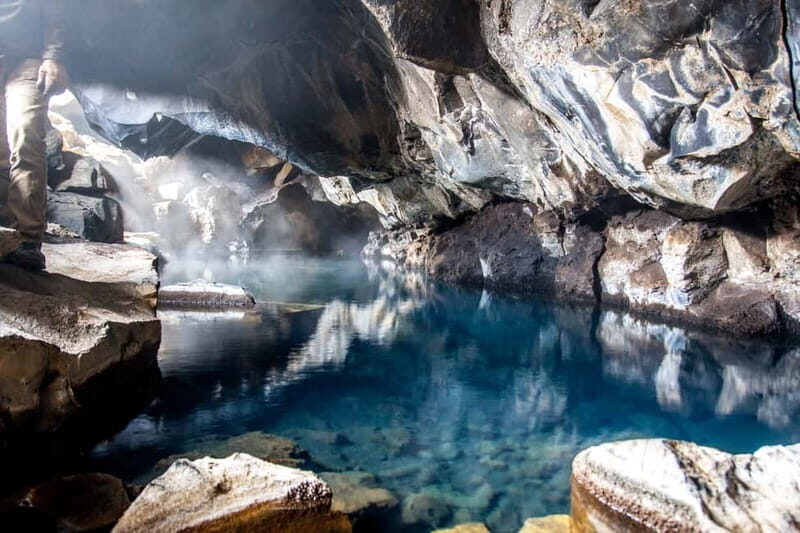
One of the coolest parts of the itinerary is Grjótagjá Cave, scheduled for about 20 minutes. This stop is tied to thermal waters and an underground river experience, and you’ll stand on the continental rift between Europe and the Americas.
This is the kind of place that makes the big geological concepts feel real. You’re not reading about tectonics in a textbook—you’re standing on the boundary where the plates pull apart. Your guide’s job is to connect the physical setting to the idea of plate movement, and when it clicks, it’s memorable in a way that simple waterfall viewing can’t always match.
Because this is a cave area, keep your eyes on the ground and follow the guide’s pace. You’re there for short guided viewing, not a long exploration.
Mývatn lunch at the Heritage and Nature Museum

Lunch is handled thoughtfully, and it’s one of the value drivers in this tour. At the Mývatn Heritage and Nature Museum you’ll get a light soup lunch plus admission to the museum, with about 45 minutes for this combined break.
What this does for you: it gives your day a reset without sending you back to the big cruise crowds. You get food, a bit of indoor context, and an easy place to warm up or dry off if the weather turns.
If you like a museum stop, this is a good one for a shore excursion length. It’s long enough to read a few things and connect the dots between the rocks outside and the explanations inside, without swallowing your whole timeline.
If you’re the type who wants maximum outdoor time, you may feel the lunch stop is a little “scheduled.” Still, the included museum admission is a real perk, and it helps justify the price.
The exact flow of the day (and where time goes)
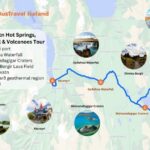
Here’s how the time tends to feel, stop by stop:
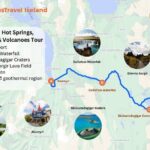
- Pickup and drive to the first sights
- Goðafoss visit (about 45 minutes)
- Short transfer breaks between stops
- Skútustaðagígar pseudo-craters in the Lake Mývatn area
- Dimmuborgir lava fields (about 50 minutes)
- Hverir mud pools (about 20 minutes)
- Grjótagjá Cave rift stop (about 20 minutes)
- Lunch + museum (about 45 minutes)
- Return to port with enough time ahead of departure
There’s also mention of a refreshment break at a local restaurant or café. So even though lunch is included, you may still get a small extra pause depending on the run of the day.
The bottom line: this itinerary is designed for maximum geothermal variety, not for long free time. You’ll get enough walking time to enjoy the sights, but you won’t be planning your own hikes. If you want flexibility, plan to come back later in Iceland with more days.
Price and value: $318 for a cruise-shore day that adds up
At $318 per person, this is not a cheap add-on. But value comes from what’s bundled: port pickup/drop-off, guided interpretation, transportation by minibus, onboard WiFi, museum admission, and a light lunch.
What you’re paying for in practical terms:
- less waiting than big-coach tours because of the max 14 group size
- someone steering the day so you understand what’s happening at each geothermal site
- covered costs at lunch time (museum + soup) so you aren’t hunting for a place while the clock ticks
- a plan that fits cruise schedules, including returning at least 1 hour before ship departure
If you compare this to doing the same stops yourself, you’d still need timing coordination, transport, and guide-level interpretation. Iceland geology is cool, but it’s also confusing if you don’t know what you’re looking at—so a good guide earns their keep fast.
If you’re traveling solo or as a couple, check whether the group departure time matches your ship arrival window before booking. That’s the one “don’t skip this” detail.
Who this tour fits (and who may feel boxed in)
This works best if you:
- want a single day hitting the big geothermal highlights in the north
- like guided explanations tied to what you’re standing next to
- prefer smaller groups over huge crowds
- need a cruise-friendly schedule with guaranteed port timing
It may be less ideal if you:
- hate snug seating for long road stretches
- want lots of free time exploring around Lake Mývatn on your own
- are very sensitive to sulfur smells (Hverir is intense even for short visits)
- rely on clear audio and get frustrated by accents—English is offered live, but spoken clarity can vary by guide
Overall, the small-group format is the biggest “quality of life” factor, and it shows in how stops feel.
Should you book this Lake Mývatn and Goðafoss tour?
If your cruise dock gives you one shot in this region, I think this is a strong booking choice. It focuses on the geothermal sites that people actually remember: Goðafoss, lava formations at Dimmuborgir, the steaming energy of Hverir, and the plate-boundary moment at Grjótagjá. The included museum admission and soup lunch also keep you from burning time and money on side quests.
Book it if you’re the type who likes learning while you walk. Bring comfortable shoes, water, and your camera. And if the weather looks questionable, don’t panic—just be ready for small route changes, which is part of Iceland reality.
FAQ
How long is the Lake Mývatn and Goðafoss shore excursion?
The tour duration is 6.5 hours.
Is lunch included, and what kind is it?
Yes. You get a light soup lunch, and admission to the Mývatn Heritage and Nature Museum is included.
What’s the group size?
This is a small group tour limited to 14 participants.
Do you pick up and drop off at the cruise port?
Yes. There is port pickup and drop-off back at the meeting point.
Is there WiFi on the minibus?
Yes. There is onboard WiFi.
Where do I meet the tour?
You meet at Akureyri Cruise Ship Port (Laufásgata 1). Look for Saga Travel employees wearing red jackets.